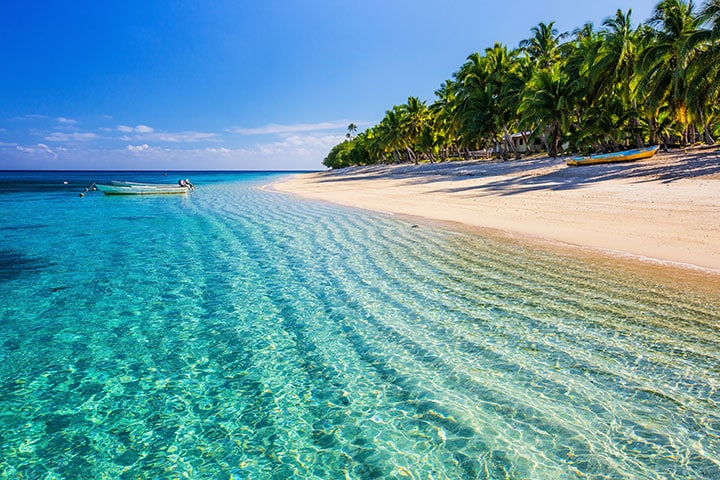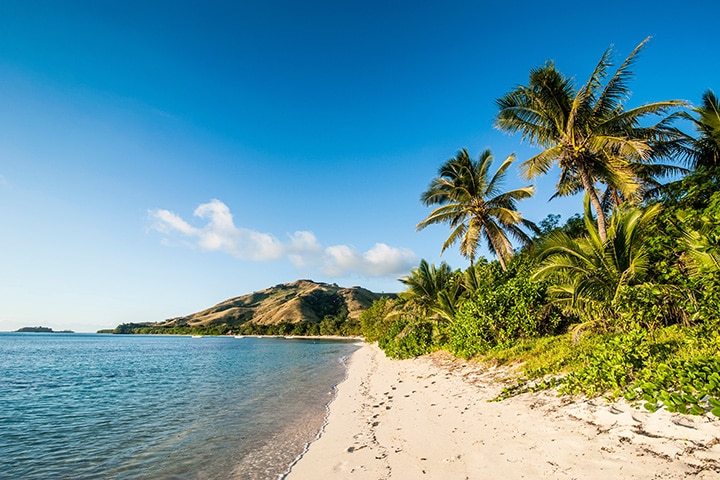

Fiji feels like summer that never quite ends. Warm ocean air, soft trade winds, and long days that fade into glowing sunsets over the water set the tone year-round.
Fiji has a tropical climate, with warm temperatures fairly consistent throughout the year. Average daytime temperatures usually sit between 26°C and 31°C. Rather than four distinct seasons, Fiji has two main weather patterns: a wet season from November to April and a dry season from May to October. The biggest change is not temperature, but rainfall, humidity, and cloud cover.
Conditions can also vary depending on where you stay. The western side of the main islands is generally drier and sunnier, while the eastern side is greener, wetter, and more humid due to the trade winds.
In this guide, we’ll break down Fiji’s weather and climate by season and month, including temperatures, rainfall, humidity, and practical insights to help you plan your flights and trip with confidence. And if you're looking to bundle your flights and accommodation, make sure to check out our Fiji holiday deals.
Key takeaways
- Fiji is warm in every season, with only slight temperature changes across the year
- Rainfall and humidity shape the weather more than temperature does
- May to October is generally drier, sunnier and less humid
- November to April is usually wetter, hotter and more tropical
- Western Fiji is typically sunnier and drier than the east
- Short, heavy showers are more common than full days of rain
Fiji’s weather and climate at a glance
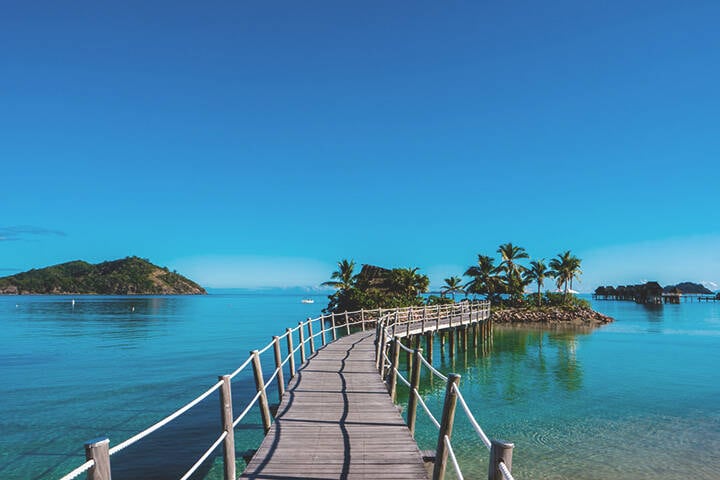
Fiji has a tropical maritime climate, which means consistently warm temperatures, high humidity, and seasonal rainfall patterns.
Temperatures vary little from month to month, but shifts in rainfall, cloud cover and humidity between the wet and dry seasons are what define the weather throughout the year.
In general, you can expect:
- Warm temperatures all year (around 26–31°C)
- Two main seasons: dry (May–October) and wet (November–April)
- Rain that often falls in short bursts rather than all-day rain
- The dry season brings more sunshine and lower humidity
- The wet season is hotter, more humid, and cloudier
In Fiji, rainfall and humidity have a bigger impact on daily conditions than temperature, influencing everything from visibility for snorkelling to hiking and island-hopping conditions.
Fiji’s rainfall and regional differences
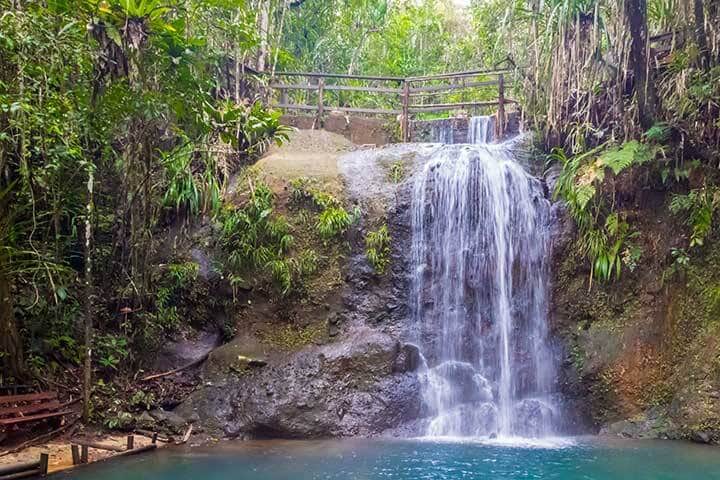
Fiji’s weather can vary depending on where you stay. Even within the same island, rainfall, sunshine, and humidity can feel noticeably different from one coast to the other.
West coast (Nadi, Mamanuca, Yasawa Islands)
Fiji’s west coast is where many travellers base themselves, and for good reason. Areas like Nadi, the Mamanuca Islands, and the Yasawas are typically drier and sunnier than other parts of Fiji, with more blue-sky days and lower rainfall, especially during the dry season.
These regions sit within the rain shadow of Fiji’s mountainous interiors, which means much of the moisture carried by trade winds falls before reaching the western side. You’ll generally get longer sunshine hours and more reliable and settled conditions, especially for beach holidays, resort stays and water activities.
Rain still happens, particularly during the wet season, but showers are often shorter and less frequent than on the eastern side of the islands, making western Fiji more practical for beach stays and island hopping if you want to explore some of the best islands in Fiji.
East coast (Suva, Pacific Harbour)
Fiji’s east coast feels greener, wetter and more tropical. Places like Suva and Pacific Harbour experience higher rainfall and humidity year-round, with more frequent showers and thicker cloud cover. In Suva, annual rainfall can exceed 2,500mm, compared with significantly lower rainfall totals around Nadi on the western side of Viti Levu.
This is largely due to the southeast trade winds, which first hit the eastern side of the islands and bring moisture that turns into regular rainfall. That’s what creates the region’s lush rainforest, dense vegetation and greener landscape.
It’s why Suva often feels rich and tropical, while Nadi tends to feel brighter, sunnier and drier. If you don’t mind more frequent rain showers, the scenery here can feel especially lush and dramatic.
Smaller islands
On smaller islands like the Yasawa Islands and Mamanuca Islands, weather patterns are often shaped more by their location than by major mountain ranges. These islands generally fall within Fiji’s drier western region, so they typically experience lower rainfall and more sunshine than the eastern side of the country.
Wet and dry seasons still apply, but day-to-day conditions can feel slightly more stable than in Fiji’s wetter mainland regions. Brief tropical showers are still common, especially during the wet season, though long periods of rain are less frequent.
If you’re looking for sunnier and generally drier conditions, Fiji’s smaller western islands are often a popular choice.
Fiji’s seasons
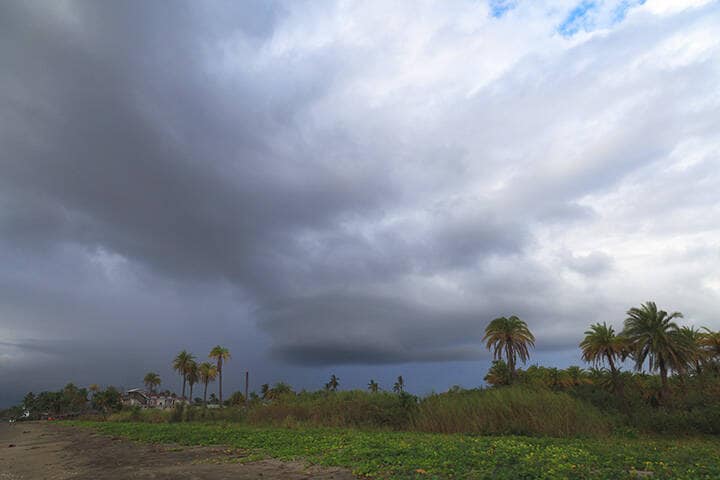
Fiji doesn’t follow the traditional four seasons. Instead, the year is split into a dry season and a wet season.
Dry season (May – October)
Fiji’s dry season is when conditions often feel their most comfortable. Humidity drops, rainfall decreases significantly, and days are typically clear or partly sunny. In many parts of Fiji, especially on the western side of the islands, rainfall during the dry season can be less than half of what falls during the wetter summer months.
Temperatures remain warm, but the air often feels lighter and less humid and sticky. Evenings, particularly in July and August, can feel slightly cooler, with trade winds bringing a steady breeze that helps take the edge off the heat. Sunshine hours are generally more consistent, and weather patterns tend to feel more settled and predictable.
This is the season when outdoor conditions are often at their most appealing for visiting Fiji's beautiful attractions or for beach days, boat trips, hiking and island-hopping. For many travellers, Fiji feels sunnier and less humid during these months.
Wet season (November – April)
The wet season feels different more than it looks different on the thermometer. Days become hotter, humidity rises, and rainfall increases, often arriving in short tropical bursts rather than constant all-day rain.
Cloud cover is more common during this time of year, though many days still begin with sunshine before showers develop later in the day. Conditions can change quickly, especially during periods of tropical activity.
Even during the humidity and unpredictable nature of the wetter months, there is still plenty of sunshine between showers. Many days follow a rhythm of clear skies early on, followed by passing rain later in the day. For travellers who don’t mind occasional downpours, Fiji still delivers warm water, tropical scenery, and plenty of time outdoors.
Cyclone season
Cyclone season in Fiji typically runs from November to May, with the highest likelihood of tropical cyclones between January and March. Cyclones are not guaranteed during this period, but they remain possible throughout the wet season.
When cyclines do occur, they can bring heavy rainfall, strong winds, and temporary travel disruptions. Most visits during this time pass without major weather events, but it’s worth keeping an eye on forecasts and allowing some flexibility in travel plans.
Outside of cyclone events, the wet season still follows its usual pattern of warm temperatures, humidity, and passing tropical showers rather than prolonged severe weather.
Fiji weather by month
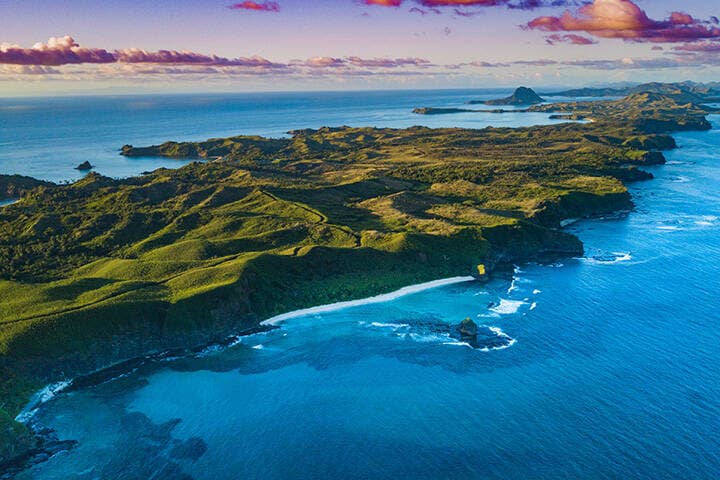
For the month-by-month guide below, we’ve used Nadi as the main reference point, as it reflects the climate of Fiji’s drier western side, where many travellers stay. Eastern areas such as Suva are typically wetter and more humid throughout the year due to prevailing trade winds.
Here’s a quick month-by-month comparison of Fiji’s average temperatures, rainfall, humidity, and sea temperatures.
| Month | Avg min temp (°C) | Avg max temp (°C) | Avg rainfall (mm) | Avg days of rain | Humidity | Avg sea temp (°C) |
| Jan | 23 | 31 | 365 | 14 | High | 29 |
| Feb | 23 | 32 | 335 | 15 | Very high | 29 |
| Mar | 23 | 31 | 350 | 16 | Very high | 28 |
| Apr | 23 | 31 | 190 | 10 | High | 29 |
| May | 21 | 31 | 90 | 5 | Moderate | 28 |
| Jun | 20 | 29 | 55 | 4 | Lower | 27 |
| Jul | 19 | 29 | 50 | 3 | Low | 26 |
| Aug | 19 | 29 | 65 | 4 | Lower | 26 |
| Sep | 20 | 29 | 70 | 5 | Lower | 26 |
| Oct | 21 | 30 | 85 | 6 | Moderate | 26 |
| Nov | 22 | 31 | 125 | 9 | Higher | 28 |
| Dec | 23 | 31 | 210 | 12 | High | 28 |
Fiji in January
January sits firmly within Fiji’s wet season, bringing high humidity and regular rainfall. Showers are typically short and intense rather than constant all-day rain, though cloud cover can linger at times. It’s also part of cyclone season, so conditions can change quickly. Ocean temperatures are very warm, but rainfall and runoff can sometimes reduce visibility for snorkelling and diving, particularly near river mouths and coastal areas.
January weather overview
Avg min temp: | 23°C |
Avg max temp: | 31°C |
Avg humidity: | High |
Avg rainfall: | 365mm |
Avg days of rain: | 14 |
Avg sea temp: | 29°C |
Fiji in February
February is typically among the hottest and most humid months in Fiji, deep within the wet season. Rainfall is frequent and often arrives in heavy tropical bursts, with longer periods of cloud cover compared to the drier months. Cyclone risk remains elevated, which can make conditions feel less predictable. The ocean stays very warm, and sunny breaks are still common, particularly earlier in the day. Across much of Fiji, February is also considered one of the most humid months of the year.
February weather overview
Avg min temp: | 23°C |
Avg max temp: | 32°C |
Avg humidity: | Very high |
Avg rainfall: | 335mm |
Avg days of rain: | 15 |
Avg sea temp: | 29°C |
Fiji in March
March is often considered one of the wettest months in Fiji overall, with high humidity and regular rainfall across much of the country. Tropical showers remain common, and cloud cover can build throughout the day. Cyclone season continues, though conditions may begin to stabilise slightly toward the end of the month. Ocean temperatures stay warm, but water clarity can sometimes be reduced after periods of heavy rain. Early mornings often bring the clearest skies and the best conditions for outdoor activities.
March weather overview
Avg min temp: | 23°C |
Avg max temp: | 31°C |
Avg humidity: | Very high |
Avg rainfall: | 350mm |
Avg days of rain: | 16 |
Avg sea temp: | 29°C |
Fiji in April
April marks the transition out of Fiji’s wet season. Rainfall begins to ease, humidity slowly drops, and sunny periods become more frequent. Showers still occur, but they are generally less intense and less frequent than earlier in the year. Cyclone risk remains, though it is lower than in peak months. Ocean conditions also begin to improve, with better visibility developing toward the end of the month.
April weather overview
Avg min temp: | 23°C |
Avg max temp: | 31°C |
Avg humidity: | High |
Avg rainfall: | 190mm |
Avg days of rain: | 10 |
Avg sea temp: | 29°C |
Fiji in May
May signals the start of Fiji’s dry season, with a noticeable shift in conditions. Rainfall drops, humidity becomes more manageable, and skies are generally clearer. Occasional showers still occur, but they are shorter and less frequent. Trade winds begin to pick up, creating a more comfortable feel across much of the country. Clearer water and calmer conditions makes May a terrific month for snorkelling and diving.
May weather overview
Avg min temp: | 21°C |
Avg max temp: | 31°C |
Avg humidity: | Moderate |
Avg rainfall: | 90mm |
Avg days of rain: | 5 |
Avg sea temp: | 28°C |
Fiji in June
June settles into the dry season, bringing more stable weather. Rainfall is low, humidity drops, and skies are often clear or partly cloudy. Evenings can feel cooler, especially with steady trade winds. The ocean remains warm enough for swimming, though slightly cooler than wetter months. Weather conditions are generally settled at this time of year, making it easy to spend long days enjoying the beach, boat trips and outdoor activities.
June weather overview
Avg min temp: | 20°C |
Avg max temp: | 29°C |
Avg humidity: | Lower |
Avg rainfall: | 55mm |
Avg days of rain: | 4 |
Avg sea temp: | 27°C |

Fiji in July
July is one of the coolest and driest months in Fiji, with lower humidity and steady trade winds. Rainfall is minimal, especially on the western side of the islands, and sunshine is generally more consistent. Evenings can feel noticeably cooler compared with the wet season, though daytime temperatures remain warm and pleasant. The ocean is slightly cooler but still comfortable for swimming. Conditions are particularly good for hiking, exploring and spending long days outdoors.
July weather overview
Avg min temp: | 19°C |
Avg max temp: | 29°C |
Avg humidity: | Low |
Avg rainfall: | 50mm |
Avg days of rain: | 3 |
Avg sea temp: | 26°C |
Fiji in August
August is one of the sunniest months in Fiji, with clear skies and low humidity across much of the country. Rainfall remains low, and weather conditions are generally reliable and comfortable. Trade winds continue to keep temperatures pleasant during the day, while evenings can feel slightly cooler. It’s also one of the best times of year for water visibility, making conditions especially strong for snorkelling and diving.
August weather overview
Avg min temp: | 19°C |
Avg max temp: | 29°C |
Avg humidity: | Low |
Avg rainfall: | 65mm |
Avg days of rain: | 4 |
Avg sea temp: | 26°C |
Fiji in September
September continues Fiji’s dry-season stretch, with low rainfall, comfortable humidity, and plenty of sunshine. Days begin to warm slightly compared with July and August, but the air still feels fresh and manageable thanks to the trade winds. Rain remains fairly limited, particularly on the western side of the islands, and conditions stay excellent for outdoor activities and water-based adventures. The ocean remains warm enough for long swims, snorkelling and diving, with good visibility in many areas.
September weather overview
Avg min temp: | 20°C |
Avg max temp: | 29°C |
Avg humidity: | Lower |
Avg rainfall: | 70mm |
Avg days of rain: | 5 |
Avg sea temp: | 26°C |
Fiji in October
October is one of Fiji’s sweet spots for weather. It sits toward the end of Fiji’s dry season, so rainfall remains relatively low while temperatures begin to climb again. Days often feel warmer and sunnier, though humidity is still generally manageable compared with the wetter summer months. Skies are commonly clear or partly cloudy, and the ocean begins warming after the coolest winter period. Conditions are often well suited to beach days, swimming and outdoor activities before the heavier humidity of summer returns.
October weather overview
Avg min temp: | 21°C |
Avg max temp: | 30°C |
Avg humidity: | Moderate |
Avg rainfall: | 85mm |
Avg days of rain: | 6 |
Avg sea temp: | 26°C |
Fiji in November
November marks the shift back toward Fiji’s wet season. Temperatures climb, humidity becomes more noticeable, and rainfall starts to increase across much of the country. Days can still be bright and beach-friendly, but showers become more common, especially later in the month. Rain often arrives in short, heavy bursts rather than constant all-day downpours. Conditions for snorkelling and diving are usually still good early in the month, though visibility can begin to vary as runoff increases. The ocean also starts warming again heading into summer.
November weather overview
Avg min temp: | 22°C |
Avg max temp: | 31°C |
Avg humidity: | Higher |
Avg rainfall: | 125mm |
Avg days of rain: | 9 |
Avg sea temp: | 28°C |
Fiji in December
December marks the return of Fiji’s wet-season pattern, with hotter days, higher humidity, and more regular rainfall. Showers often arrive in sharp tropical bursts, especially in the afternoon or evening, though sunny periods still break through. Cloud cover becomes more common, and cyclone season is underway, which can make weather feel less predictable. The ocean is warm and inviting, though water clarity can vary after heavy rain and runoff. Even so, Fiji still experiences plenty of sunshine and warm tropical weather between downpours.
December weather overview
Avg min temp: | 23°C |
Avg max temp: | 31°C |
Avg humidity: | High |
Avg rainfall: | 210mm |
Avg days of rain: | 12 |
Avg sea temp: | 28°C |
When does Fiji have the best weather?
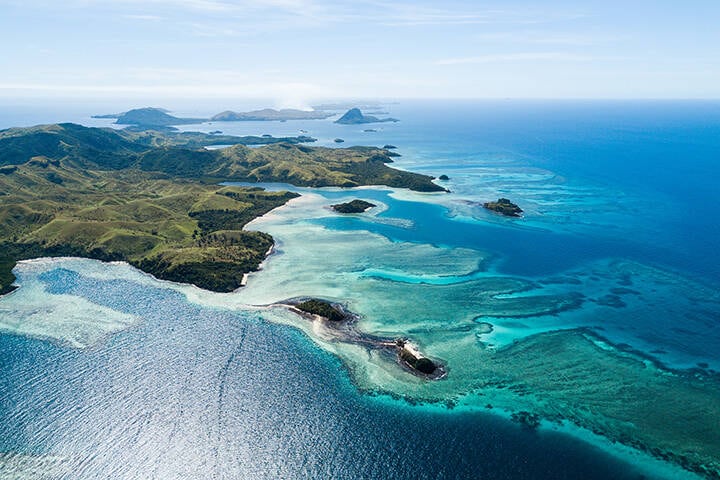
Best weather in Fiji for:
- Lower rainfall: June to September
- Lower humidity: July and August
- Warmer beach weather with relatively dry conditions: October
- Snorkelling and diving visibility: May to October
- Lush tropical scenery: December to April
- Hot weather and warm seas: January to April
The best weather in Fiji is generally from early June to early October, when rainfall is lower, humidity drops, and sunshine is more consistent. Many travellers also consider mid-May to mid-October one of Fiji’s most comfortable weather periods overall.
For beach weather, the dry season is usually the strongest option. Days are often sunnier, rain is less frequent, and conditions are generally more settled and reliable for long stretches by the water. For snorkelling and diving, these months also typically offer better visibility, as calmer and drier conditions can mean less runoff and clearer water in many areas.
For hiking and outdoor exploring, the dry season again has the edge. Tracks are usually less muddy, humidity is more manageable, and clearer skies often bring better visibility across the islands. If you’re travelling for surfing, conditions can vary depending on the island, reef break and swell direction, so there is no single answer for every surfer or every part of Fiji.
If you want a broader guide that also considers crowds, prices and travel style, read more in our guide to the best time to visit Fiji.
Planning tips based on the weather
What to pack by season
Packing for Fiji depends on the season, but lightweight, breathable clothing is essential year-round. During the dry season (May to October), focus on airy fabrics, comfortable footwear, and a light jacket for cooler evenings, especially with coastal breezes. Sun protection is key, including a hat, sunglasses and reef-safe sunscreen.
In the wet season (November to April), breathable clothing still works best, but it’s worth adding a lightweight rain jacket or poncho for sudden downpours. A waterproof bag or dry pouch is useful for protecting electronics and valuables during short but heavy bursts of rain.
Activity considerations by season
Weather can shape how you spend your time in Fiji, but both seasons still offer plenty to enjoy. During the wet season, conditions are often well-suited to slower-paced experiences such as relaxation, cultural activities, and exploring Fiji’s lush rainforest landscapes. Rain typically falls in quick storms, leaving plenty of time for outdoor plans in between.
In the dry season, more stable and settled weather makes it ideal for beaches, snorkelling, diving, island hopping and hiking. Lower humidity and clearer skies also support longer days outdoors. You’ll find plenty of things to do in Fiji during the drier months, especially for water-based activities and island exploring.
Fiji weather FAQs
-
What is the best month to go to Fiji for good weather?
July is one of the best months for good weather in Fiji, thanks to lower rainfall, lower humidity and clearer skies. October is also a strong choice if you want warmer beach weather with relatively dry conditions.
-
Is Fiji hot all year round?
Yes. Temperatures stay warm year-round, typically between 26°C and 31°C, with only slight cooling in the dry season.
-
Does it rain all day in Fiji?
No. Rain usually falls in short, heavy tropical downpours, often in the afternoon or evening, with sunny periods in between. It's also less likely to rain during the dry season (May to October) and more common during the wet season (November to April).
-
Which side of Fiji has better weather?
The western side of Fiji, including areas like Nadi, is generally drier and sunnier, while the eastern side, including Suva, experiences higher rainfall and humidity.
-
When is cyclone season in Fiji?
Cyclone season in Fiji generally runs from November to May, with the highest risk between January and March.
-
What is the rainiest month in Fiji?
March is typically considered Fiji’s wettest month overall, closely followed by February, with some of the highest rainfall and humidity levels of the year.
Flights to Fiji
Virgin Australia offers direct flights to Fiji from major Australian cities, including: