
Fiji is one of those rare destinations that feels like summer all year round. Warm ocean air, soft trade winds, and long tropical days set the tone no matter when you visit. Because of that, the best time to visit Fiji is not really about chasing heat. It is about choosing the kind of holiday you want.
Some travellers are looking for clear skies, lower humidity, and long beach days, while others are happy to trade a little extra warmth and occasional rain for fewer crowds and better value. Timing can also depend on what you want to do once you arrive, whether that is snorkelling over coral reefs, surfing world-class breaks, travelling with family during school holidays or simply slowing down at a resort.
In Fiji, timing is less about temperature and more about the kind of trip you want. The best months for clear skies and easy island hopping are not always the best for lower prices, fewer crowds, or lush tropical scenery.
So, when is the best time to visit Fiji? For most, it is May to October. These drier months bring clearer skies, lower humidity and easier conditions for beaches, boat trips, island hopping, and many of the best things to do in Fiji. The trade-off is higher prices and busier resorts, especially in peak holiday periods.
This guide breaks Fiji down by travel priorities, from weather and crowds to activities and travel style, so you can narrow down the right time to go before you book your Fiji holiday and start planning your trip
Quick guide on when to visit Fiji
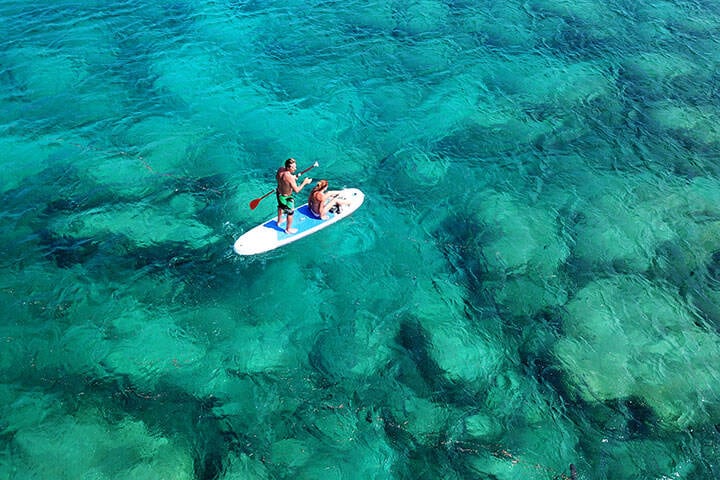
If you want a quick answer before diving into the details, here’s how the best time to visit Fiji breaks down by travel style and priorities:
- Best overall time to visit Fiji: May, June, September and October
- Best time to visit Fiji for weather: June to September
- Best time to visit Fiji for fewer crowds: April to May and October to November
- Best time to visit Fiji on a budget: January to March
- Best time to visit Fiji for families: June to September
- Best time to visit Fiji for couples: May, June, September and October
- Best time to snorkel Fiji: May to October
- Best time to surf Fiji: April to October
- Best time for island hopping: May to October
- Best time for lush tropical scenery: December to April
As a general rule, May to October is the easiest time to plan a classic Fiji holiday, with drier weather, clearer skies and better conditions for time on the water.
If you are more flexible, the wetter months can still be rewarding. You may find lower prices, quieter resorts, and a greener, more tropical feel, especially if you do not mind occasional bursts of rain.
Overall best time to visit Fiji
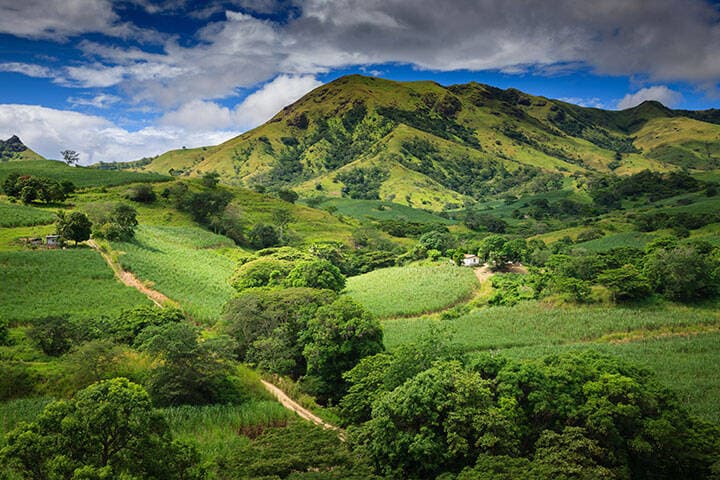
For many travellers, the best overall time to visit Fiji is during the shoulder dry-season months of May, June, September and October. These months usually combine many of Fiji’s best weather conditions – lower humidity, clearer skies and good weather for beaches and island hopping – without some of the heavier crowds and peak-season pricing that arrive during the middle of the dry season.
This is when Fiji often delivers the best balance between weather, comfort and overall travel experience. Beach days are easier to plan, conditions for boat travel are generally smoother, and clearer water can make snorkelling and diving more rewarding. The lighter, less humid air also makes long days outdoors feel more comfortable.
If your priority is the driest and most settled weather possible, June to August is typically the strongest period. However, this is also Fiji’s busiest travel window, particularly during Australian and New Zealand school holidays, when flights and accommodation are often more expensive and popular resorts can book out well in advance.
Travellers who prioritise value, availability or a quieter atmosphere may find the shoulder months more appealing. In many cases, May, September and October still offer excellent weather, while avoiding some of the peak-season crowds.
In simple terms, May to October is the strongest all-round travel window, but the best month within that period depends on whether you prioritise peak weather, lower prices or fewer crowds.
Best time to visit Fiji for good weather
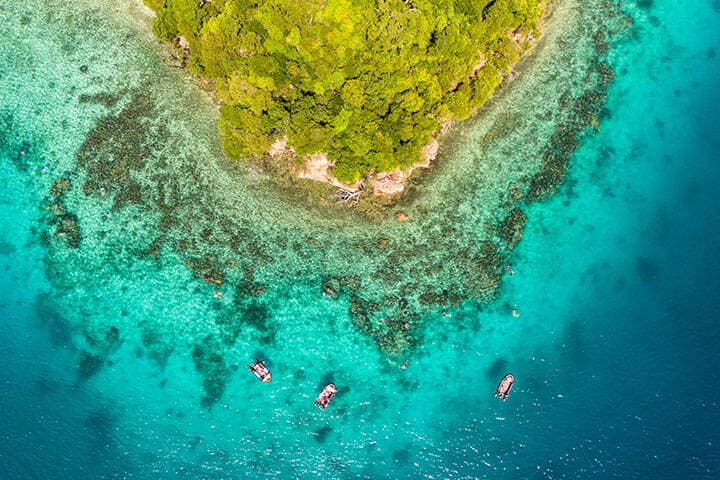
Fiji’s weather is shaped by two main seasons rather than four distinct ones, and understanding this makes it much easier to plan your trip. The year is split into a dry season from May to October and a wet season from November to April. If weather is your top priority, focus on Fiji’s dry season.
The dry season is generally the best time to visit Fiji for good weather. Days are usually sunnier, humidity is lower, and rain is less likely to disrupt beach time, boat trips or island hopping. Water visibility is often at its best during these months too, thanks to calmer conditions and less runoff from rainfall. For travellers planning snorkelling, diving or simply spending long stretches in the ocean, this can make a noticeable difference to the overall experience.
The wet season feels hotter, more humid and less predictable. Rain usually arrives in short, heavy bursts rather than constant all-day downpours, though showers and cloud cover can still make day-to-day plans less reliable.
For some travellers, this is not a downside. The islands feel greener, waterfalls are more active, and the overall landscape looks especially lush and tropical. It can still be a rewarding time to visit, particularly if you are happy to work around occasional showers rather than expecting clear skies every day.
Where you stay matters too. Fiji’s west coast, including Nadi, the Mamanuca Islands and the Yasawa Islands, is generally drier and sunnier, while the east, including Suva and Pacific Harbour, is wetter and more humid. If reliable weather matters most, the west is usually the safer bet
So, when is the best time to visit Fiji for weather? The dry season, from May to October. For the most reliable mix of sunshine, lower humidity, and minimal rain, June to September is the strongest window. If you are looking for slightly warmer conditions with similar benefits, May and October are excellent alternatives, offering a balance between dry-season comfort while still avoiding peak travel demand.
For more information on Fiji's weather, read our Fiji weather and climate guide.
Best time to visit Fiji for crowds and prices
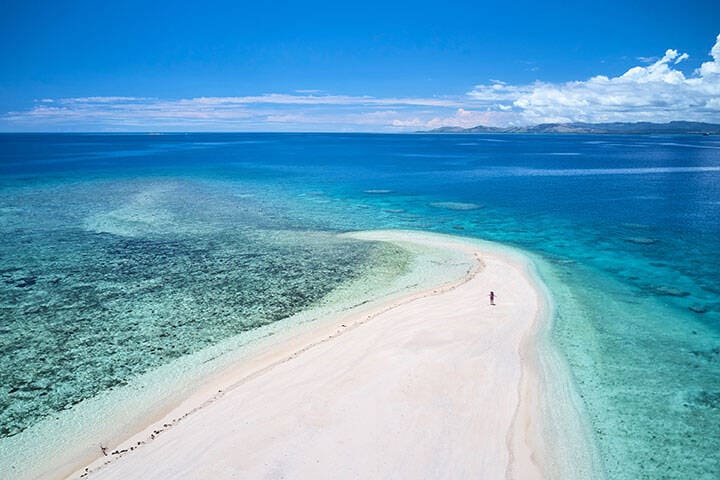
The best time to visit Fiji is not just about the weather. Crowds and pricing canshape the feel of a trip just as much as sunshine does. Some travellers want the ease of peak season, while others would rather trade a little certainty for quieter resorts and better value.
Fiji’s travel year can generally be split into three main periods: peak season, shoulder season, and low season. Each comes with its own balance of comfort, cost, and crowd levels, so the right choice depends on what matters most to you.
Peak season (June to September, plus Christmas and New Year)
Peak season in Fiji runs through the middle of the dry season, particularly from June to September, with another surge in demand over Christmas and New Year. This is when the islands are at their most popular, as travellers arrive to take advantage of the most reliable weather conditions.
This period is especially appealing for first-time visitors who want an easy, stress-free experience. Families travelling during school holidays often choose these months, as do travellers planning a classic Fiji holiday built around resort stays, beach time, and island hopping. With lower rainfall and more settled conditions, it is the most straightforward time to plan outdoor activities.
Weather is usually at its most reliable, with more sunshine, lower humidity and smoother conditions for boat transfers and day trips. It is also a lively time to visit, with tours, activities and resorts operating at full capacity.
Because demand is high, prices for flights and accommodation are usually at their peak, especially during school holiday periods and festive dates. Availability can be limited in popular resorts and you can expect bigger crowds at Fiji's main tourist attractions. Some areas can feel busier than usual, particularly in well-known island groups and resort hubs.
For travellers who prioritise ease, comfort, and reliable weather, peak season is often worth the higher cost. For those looking for better value or a quieter atmosphere, it may be worth considering the months just outside this window.
Shoulder season (April to May, October to November and early December)
Shoulder season is often the sweet spot. It offers travellers a better balance of weather, prices and crowd levels, with a more relaxed feel than peak season.
In April and May, Fiji is transitioning out of the wet season. Rainfall begins to ease, humidity drops, and conditions gradually become more comfortable. By October and November, the islands are still enjoying many of the benefits of the dry season, although temperatures begin to rise and humidity slowly returns. Early December can also work well for travellers hoping to visit before the holiday rush.
This period tends to suit couples, flexible travellers, and returning visitors who do not need perfect conditions every day. It is also a strong option for travellers who want to enjoy beaches, island hopping, and outdoor activities without the higher prices and busier atmosphere of peak season.
The main advantage of shoulder season is value. Flights and accommodation are often more affordable than during peak periods, and availability is generally better. Resorts, beaches, and tours can feel less crowded, creating a slower and more relaxed pace across the islands.
The trade-off is that weather can be slightly less predictable. While many days are still sunny and enjoyable, there is a higher chance of occasional showers or more humid conditions, particularly at the edges of the season. For many travellers, this is a manageable compromise given the savings and lighter crowds.
Low season (January to March)
Low season in Fiji typically falls between January and March, during the heart of the wet season. This is when temperatures are at their hottest, humidity is highest, and rainfall is more frequent. It also overlaps with the period of greatest cyclone risk, which can make weather patterns feel less predictable.
It is not the most reliable time to visit, but it can work well for travellers who care more about value than consistently dry weather. Fiji can still deliver warm ocean temperatures, lush landscapes and plenty of sunshine between showers. Rain often arrives in short, heavy bursts rather than lasting all day, which means there can still be time for outdoor activities, especially in the mornings.
This time of year tends to suit budget-conscious travellers and those who prefer a slower pace, with quieter resorts and fewer people around.
The biggest advantage of low season is cost. Flights and accommodation are often at their most affordable, and there is usually more flexibility when it comes to bookings. Resorts may feel quieter, and popular areas are less crowded, creating a more laid-back and private experience.
The main trade-off is weather unpredictability. Weather conditions can change quickly, and plans may need to be adjusted around showers or more humid days. Some activities may also be affected by rainfall or rougher sea conditions, so travellers may need to be more flexible with their itinerary.
Low season can work well if you are prioritising value and are comfortable adapting your plans. If you are looking for consistently clear skies and easy day-to-day planning, the shoulder or peak seasons are generally a better fit.
Once you’ve chosen when to travel, explore our Fiji holiday packages for your preferred travel dates.
Best time to visit Fiji for certain activities
You can visit Fiji year-round, but the seasons do influence how easy certain experiences are to plan and enjoy. Whether you are heading out onto the water, exploring different islands, or spending time outdoors, timing your trip around the right conditions can make a noticeable difference.
If your plans revolve around specific activities, it is worth looking beyond the general “best time to visit Fiji” and focusing on when those experiences are at their best.
Snorkelling
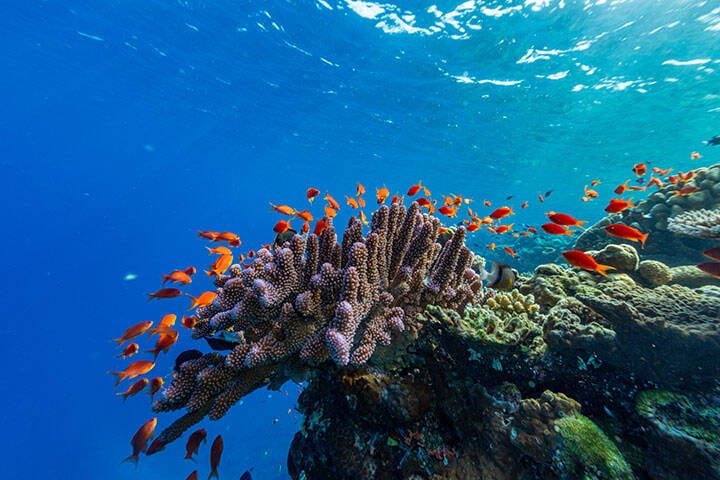
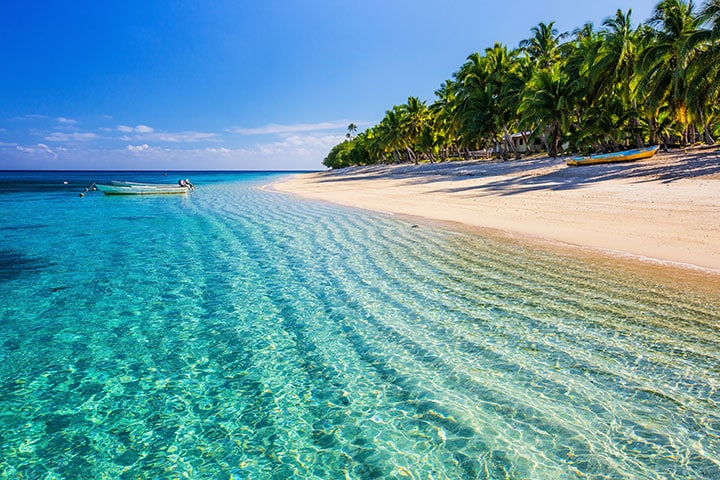
The best time to snorkel Fiji is generally from May to October, during the dry season. This is when ocean conditions are typically calmer and clearer, which has a direct impact on water visibility. With less rainfall, there is less runoff from the land, meaning the ocean stays cleaner and marine life is easier to spot.
In reef-rich areas, that extra visibilty can make a big difference to what you actually see. Coral gardens, reef drop-offs, and shallow lagoons appear far more vivid in clear water, and you are more likely to spot fish, rays, and other marine life without needing to dive deeper.
That said, snorkelling is still possible year-round. During the wet season, the ocean remains warm and inviting, and there are still plenty of opportunities to get in the water. The main difference is that visibility can vary more from day to day, particularly after heavy rain, when sediment can reduce clarity near shorelines and river outlets.
If snorkelling is a highlight of your trip, aiming for the drier months will give you the most consistent conditions, especially if you plan to visit multiple islands or spend extended time in the water.
Surfing
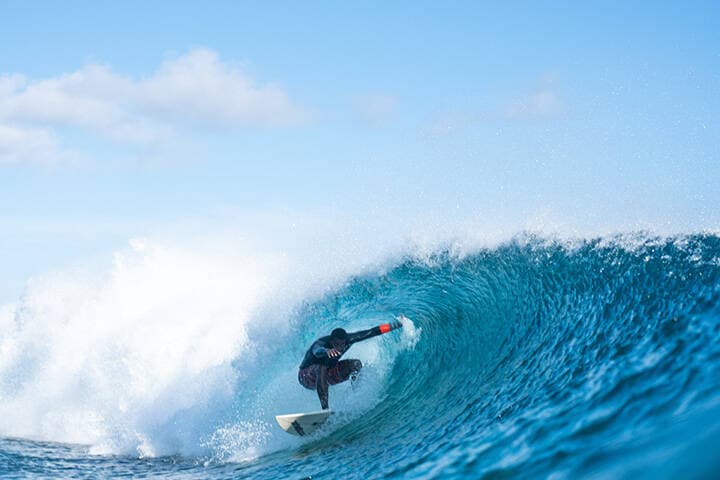
Fiji is known for its world-class surf breaks, and the best time to surf Fiji is typically from April to October. During this period, south swells become more consistent, creating stronger and more reliable waves, particularly along the southern reef systems.
This is when experienced surfers are most likely to find the clean swell and reef conditions Fiji is known for. Some of Fiji’s most famous breaks are at their best during these months, drawing surfers from around the world.
That does not mean the rest of the year is off-limits. Surfing in Fiji is possible year-round, but conditions tend to be less consistent outside the main swell season. During the wetter months, waves can be smaller and more variable, which may suit beginners or travellers looking for a more relaxed experience in the water.
If surfing is the main reason for your trip, visiting between April and October will give you the best chance of consistent swell conditions. If it is more of a secondary activity, opportunities can still be found throughout the year depending on local conditions.
Island hopping
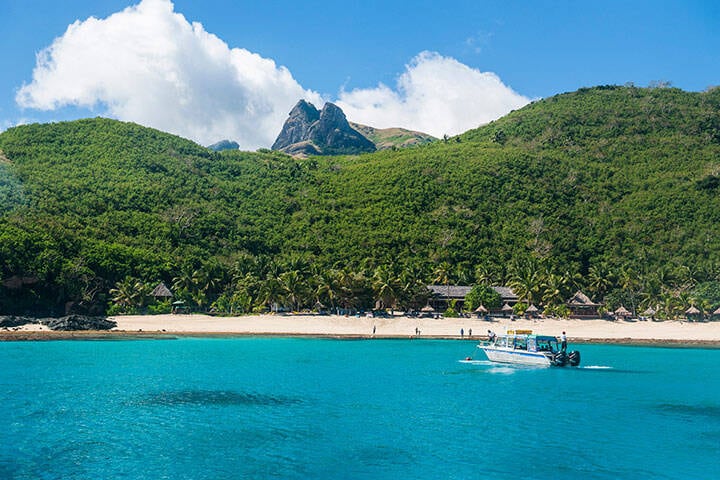
Island hopping is one of the most memorable ways to experience Fiji, and timing plays an important role here. The best time for island hopping is generally from May to October, when weather patterns are more stable and sea conditions are calmer and easier to manage.
Because so much of Fiji travel involves boats and seaplanes, calmer seas and steadier weather can make a real difference. Transfers are smoother, schedules are generally more reliable, and day trips are less likely to be affected by changing conditions.
During the wet season, island hopping is still possible, but conditions can be less consistent. Stronger winds, heavier rain, and rougher seas can occasionally disrupt transfers or limit certain tours. For travellers who are planning a multi-island itinerary or want to explore remote island groups, the dry season provides a more straightforward experience. If you are still deciding where to base yourself, our guide to the best islands of Fiji can help you narrow it down.
If your itinerary includes several islands or relies heavily on boat travel, visiting during the drier months will make planning and moving around much easier.
Outdoor activities
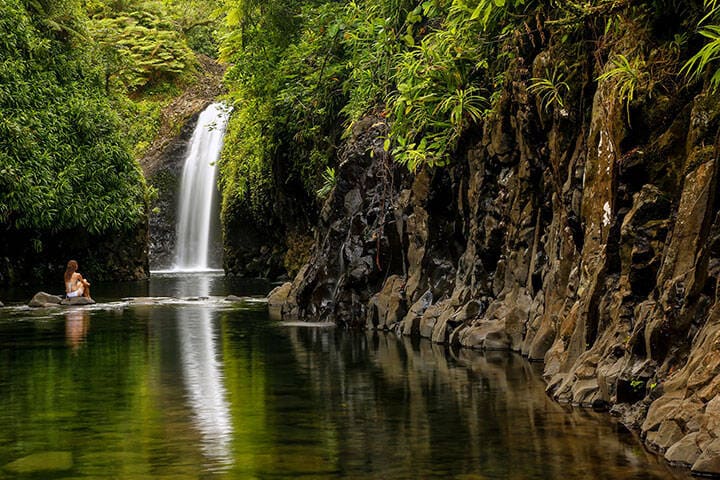
For outdoor activities, the best time to visit Fiji is also from May to October. Lower humidity and reduced rainfall create more comfortable conditions for spending long periods outside, whether that is hiking, exploring local villages, or simply enjoying time away from the resort.
Trails are generally drier and easier to navigate, and the lighter air makes physical activity feel more manageable. Clearer skies can also improve visibility for scenic viewpoints, waterfalls, and coastal landscapes, adding to the overall experience.
During the wet season, outdoor activities are still possible, but conditions can feel more intense. Higher humidity can make even simple walks feel more demanding, and rain can affect trails, visibility, and accessibility in certain areas. That said, the landscape is at its most lush during these months, and waterfalls are often more dramatic, which can be a draw for some travellers.
If your trip is focused on exploring beyond the beach, the dry season offers the most comfortable and reliable conditions for getting out and seeing more of the islands.
Best time to visit Fiji for festivals and events
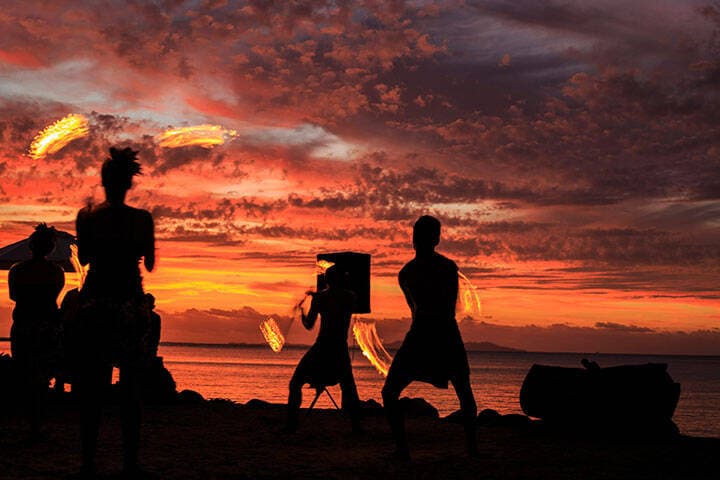
If you want more than beach time and resort days, Fiji’s festivals can also help shape the best time to visit. These events offer a chance to see Fiji’s culture, community spirit, and local traditions come to life.
One of the most well-known events is the Hibiscus Festival, usually held in July. This long-running celebration brings together parades, live performances, food stalls, and community events, creating a lively and colourful atmosphere. Because it takes place during the dry season, it coincides with one of the most popular times to visit Fiji. Travellers heading to Fiji during this period can expect strong demand, especially around major hubs, so booking ahead is important.
The Bula Festival, typically held in April or May, offers a slightly different experience. It has a more relaxed, community-focused feel, with music, entertainment, and local celebrations that reflect Fiji’s welcoming spirit. Timing your trip around this event can also be a great way to experience Fiji during the shoulder season, when conditions are improving after the wet months but before peak-season crowds fully arrive.
Travelling during festival periods can add another layer to your trip, bringing more energy, culture, and opportunities to connect with local life. At the same time, it is worth planning ahead, as popular events can increase demand for accommodation and tours in certain areas.
Worst time to visit Fiji
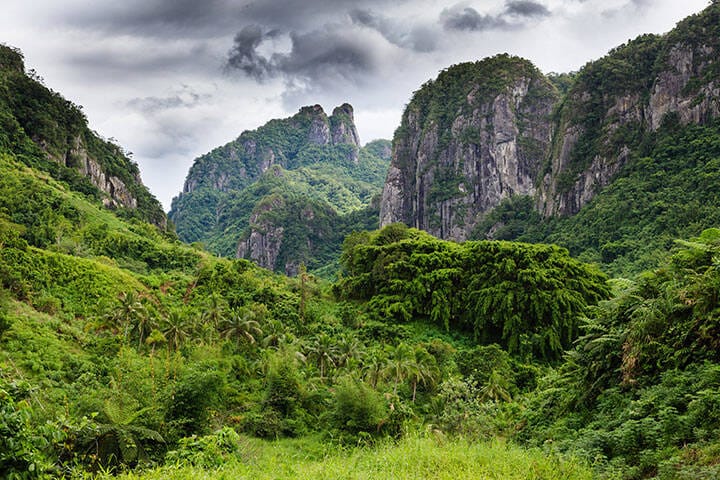
There is no outright bad time to visit Fiji, but some months are less appealing depending on your budget, weather tolerance and travel style. The key is understanding the trade-offs and compromises, whether that is weather reliability, pricing, or crowd levels.
For many travellers, the least ideal period falls between January and March. This is the heart of Fiji’s wet season, when humidity is high, rainfall is heavier, and weather patterns are less predictable. It is also when cyclone risk is at its highest, which can occasionally disrupt travel plans. While there is still plenty of sunshine between showers, travellers looking for consistently easy beach weather may find this time more challenging to plan around.
That said, the “worst” timing is not always about the weather. It can also come down to crowds and cost. Peak dry-season months, particularly July and August, as well as the Christmas and New Year period, offer some of the best conditions of the year. However, they also bring the highest demand. Flights and accommodation are more expensive, resorts can be busier, and availability may be limited unless you book well in advance.
In general, the worst time to visit for pleasant and reliable weather is January to March, and the worst for crowds and pricing is July to August and Christmas and New Year.
Even then, these periods can still work depending on your priorities. The wetter months may appeal to budget travellers looking for lower prices and quieter resorts, while peak season can suit families and first-time visitors who want the most predictable conditions and a more straightforward holiday experience.
FAQs
-
When is the best time to visit Fiji for families?
June to September is usually best for families, with drier weather and more reliable conditions for beach days and boat trips, and timing that often lines up with school holiday travel. If you are travelling with children, it is also worth exploring a few unique family adventures in Fiji before you book.
-
When is the best time to visit Fiji for couples?
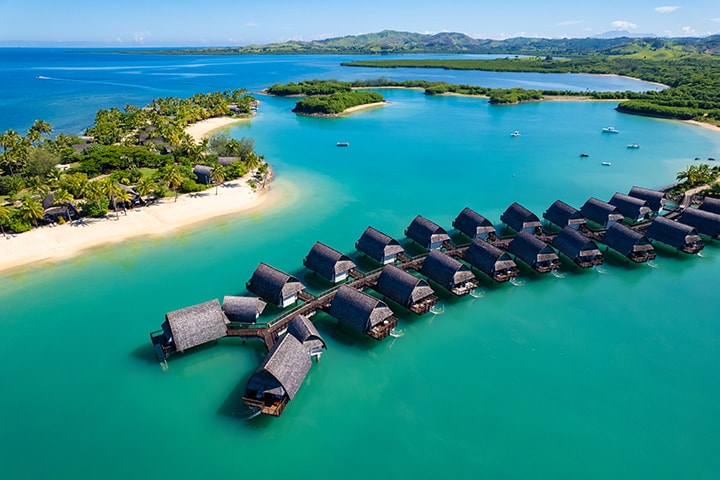
May, June, September and October are especially strong months for couples, with good weather and a little more breathing room than the busiest school holiday periods. If you are planning a romantic stay, Fiji’s overwater bungalows are especially appealing during these months.
-
When is the best time to visit Fiji on a budget?
January to March is usually the cheapest time to visit Fiji, with lower prices and better availability. The trade-off is higher humidity, more rain, and less predictable weather.
-
When is the best time to visit Fiji for perfect weather?
For the most reliable weather, June to September generally offers the best mix of lower rainfall, lower humidity and more consistent sunshine. It is the easiest time to plan beach days, boat trips and outdoor activities.
-
When is the best time to snorkel in Fiji?
May to October is best for snorkelling, thanks to clearer water and better visibility. Conditions are more consistent during the drier months.
-
When is the best time to surf Fiji?
April to October is the best time to surf in Fiji, with stronger and more consistent swells. This is when many of Fiji’s main surf breaks perform at their best.
-
When is cyclone season in Fiji?
Cyclone season typically runs from November to May, with the highest risk between January and March. Weather can be more unpredictable during this time.
-
Does it rain a lot during wet season in Fiji?
Rain is more frequent during the wet season, but it usually falls in short, heavy bursts rather than all day. There is still plenty of sunshine between showers.
Flights to Fiji
Virgin Australia offers direct flights to Fiji from major Australian cities, including: