.jpg?width=120&quality=80&fit=crop&format=auto&opt=true)
Fiji holidays and package deals
Holidays in Fiji
With more than 300 islands scattered across the South Pacific, Fiji offers everything from family-friendly resorts and romantic island escapes to colourful coral reefs, rainforest adventures and rich Fijian culture. Stay close to the action on Viti Levu, escape to the Mamanuca or Yasawa Islands, or venture further afield to discover some of Fiji's quieter corners.
Spend your Fiji holiday snorkelling colourful reefs, island hopping, exploring waterfalls and rainforest or simply settling into island time at your resort. Whether you're travelling as a family, couple or group of friends, Fiji has an island and holiday style to match.
Ready to book your holiday? Book your flight and accommodation package with Virgin Australia and start planning your Fiji escape, with great deals and Velocity benefits to enjoy. Read on for more information on planning your trip to Fiji.
What to know before travelling to Fiji
A little planning before your Fiji holiday can make arriving and settling in much easier. From passport and entry requirements to currency and power points, here's what Australian travellers should know before heading to Fiji.
Passport and visa requirements
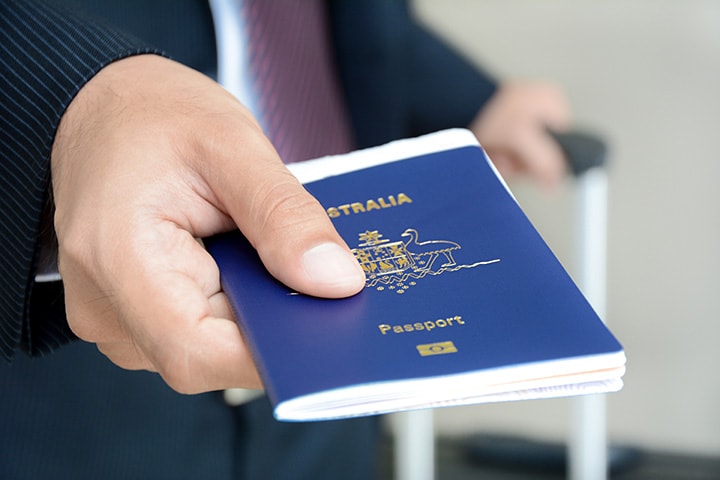
Australian passport holders generally don't need to apply for a tourist visa in advance for a short holiday in Fiji. Eligible Australian travellers can be issued a visitor permit on arrival, provided they meet Fiji's entry requirements.
You'll need a valid Australian passport, as well as proof of accommodation and a return or onward ticket. Entry requirements can change, so always check the latest requirements before travelling.
Read our Fiji visa and entry requirements for more information.
Currency and paying in Fiji
Fiji's currency is the Fijian dollar (FJD). Credit and debit cards are accepted at many hotels, resorts, restaurants and shops, particularly in Fiji's main tourist areas, and contactless card payments are available at participating businesses.
It's still a good idea to carry some Fijian dollars, particularly when visiting markets, smaller businesses or more remote areas where electronic payments may not be available. ATMs are available in larger towns and tourist areas, but access can be more limited once you travel to outer islands.
If you prefer to pay using your phone or another mobile wallet contactless payment, don't rely on it as your only payment method and bring a physical credit card as a back-up. Contactless payment facilities are available in Fiji, but availability can vary between businesses and islands.
Power points in Fiji
Fiji uses Type I power points, the same plug type used in Australia. Australian travellers generally won't need a plug adaptor for Australian devices.
Language
English is widely spoken in Fiji, alongside Fijian and Fiji Hindi.
Time in Fiji
Fiji operates on Fiji Time (FJT). Check the local time difference before you travel, particularly when organising airport transfers, ferries, tours and other bookings.
Where to stay in Fiji
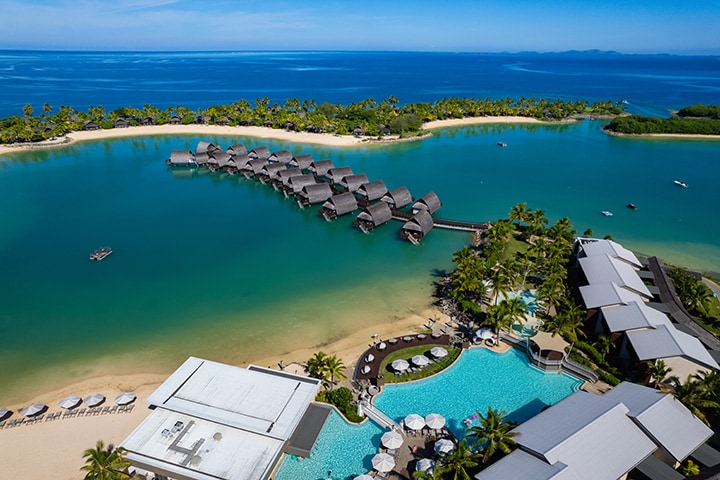
Choosing where to stay in Fiji starts with deciding what kind of holiday you want to have. Stay on Viti Levu for easier airport access and more flexibility to explore by road, choose Denarau for a convenient resort holiday, head to the Coral Coast to combine resort life with more of the mainland, or escape to the Mamanuca or Yasawa Islands for a more secluded island experience.
Transfer time matters too. Some resorts are a short drive from Nadi International Airport, while outer-island stays can require an additional ferry, speedboat or domestic flight. Consider your trip length and how much of your holiday you're happy to spend travelling when choosing where to stay.
Denarau Island – for convenience and resort holidays
Denarau is a convenient choice for first-time visitors, families and travellers looking for an easy resort holiday. Located on Viti Levu and around 20–30 minutes by road from Nadi International Airport, it's home to major resorts, restaurants and Port Denarau Marina.
Its location makes it particularly convenient if you want to maximise your resort time while retaining easy access to Nadi and day trips or transfers to the Mamanuca and Yasawa Islands.
Coral Coast – for resorts and exploring Viti Levu
Stretching along the southern coast of Viti Levu, the Coral Coast suits travellers who want the facilities of a resort holiday while experiencing more of mainland Fiji.
You'll find a mix of family and couples' resorts, beaches and access to natural and cultural attractions, making it a good option if you want to venture beyond your resort during your stay.
Mamanuca Islands – for the classic Fiji island escape
If your idea of Fiji involves an island resort surrounded by beaches and clear tropical water, consider the Mamanuca Islands. Located west of Viti Levu, the Mamanucas are relatively easy to reach from Port Denarau and offer resorts catering to families, couples and luxury travellers.
The islands are particularly well suited to travellers who want to spend their holiday swimming, snorkelling, diving, surfing or simply slowing down by the water.
Yasawa Islands – for a more remote island holiday
Further north, the Yasawa Islands offer a more remote Fiji experience, with dramatic landscapes, beaches, clear water and fewer signs of mainland life.
Getting there generally takes longer than reaching the Mamanucas, so the Yasawas are particularly suited to travellers who want to settle into a quieter island stay, spend more time surrounded by nature or incorporate island hopping into a longer Fiji holiday.
Taveuni and Vanua Levu – for nature and a quieter escape
For a different side of Fiji, look beyond Viti Levu and the better-known western island groups. Taveuni and Vanua Levu suit travellers interested in nature, diving, rainforest and a quieter experience away from Fiji's main resort hubs.
Reaching these islands generally involves additional domestic travel, so factor transfers into your itinerary when deciding whether they're right for your holiday.
Read our guides to where to stay in Fiji and the best islands of Fiji to find the right destination for your holiday.
Things to do in Fiji
There's much more to a Fiji holiday than relaxing by the resort pool. Across the islands you'll find coral reefs, waterfalls, rainforest, beaches, local markets and cultural experiences, with plenty to do whether you're travelling for adventure, relaxation or a bit of both.
Snorkel and dive Fiji's coral reefs
Fiji's warm tropical waters and coral reefs make snorkelling and diving some of the country's most popular activities. Explore reefs from your resort, join a snorkelling or diving trip or head further offshore to discover more of Fiji's marine life.
Go island hopping
With hundreds of islands to explore, getting out on the water is one of the best ways to experience Fiji. Take a day trip from Port Denarau, explore the Mamanuca or Yasawa Islands, or build several island stays into a longer Fiji holiday.
Experience Fijian culture
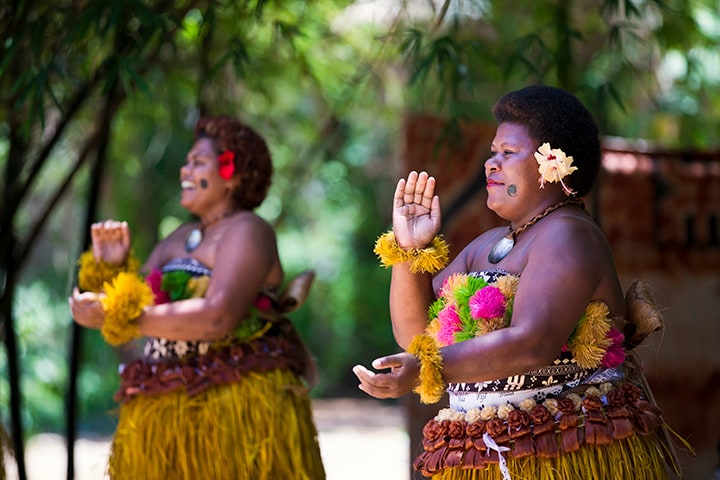
Make time to experience more of Fiji's culture during your stay. Depending on where you're travelling, experiences can include visiting local markets, trying a traditional lovo meal, taking part in a kava ceremony or joining cultural and village experiences.
Explore Fiji's natural landscapes
Away from the beaches, Fiji has rainforest, waterfalls, rivers, sand dunes and hiking trails to discover. Explore Sigatoka Sand Dunes National Park on Viti Levu, discover the waterfalls and tropical landscapes of Taveuni or head inland to see another side of the islands.
Get out on the water
Surfing, kayaking, paddleboarding, sailing and fishing are among the many ways to make the most of Fiji's ocean setting. Or keep things simple with a swim, snorkel or day spent relaxing on the beach.
Discover more things to do in Fiji and top Fiji attractions.
When is the best time to visit Fiji?
Fiji is warm year-round, so choosing when to visit is less about chasing hot weather and more about rainfall, humidity and the type of holiday you're planning. May to October is Fiji's dry season and is generally the most popular time for beach days, snorkelling, island hopping and outdoor activities.
Where you stay matters too. Fiji's weather varies between regions, so two travellers visiting at the same time can experience different conditions depending on which side of the islands they're staying on.
Fiji's dry season
The dry season runs from May to October, bringing generally lower rainfall and humidity and more settled conditions.
June to September typically has some of the lowest rainfall of the year, while May and October can be good options if you're looking for warm weather around the edges of the peak dry season. The more settled conditions also make this a popular period for snorkelling, diving, beach holidays and travelling between islands.
Fiji's wet season
Fiji's wet season runs from November to April, bringing hotter temperatures, higher humidity and more frequent tropical rainfall.
Rain often arrives in shorter, heavier showers rather than lasting all day, and the extra rainfall brings lush green landscapes and fuller waterfalls. Weather can be less predictable during this period, however, and November to April also overlaps with Fiji's tropical cyclone season.
Does the weather vary across Fiji?
Yes. The western side of Fiji is generally drier and sunnier than the east. Nadi and the Mamanuca and Yasawa Islands sit within Fiji's drier western region, making them popular choices for travellers prioritising sunshine, beach time and water activities.
Eastern areas, including Suva and Pacific Harbour, generally receive more rainfall and experience higher humidity. This creates the lush, green landscapes associated with this side of Fiji but also means you're more likely to encounter showers.
Fiji's mountainous interiors and smaller islands can have their own local conditions too, so it's worth considering both when you travel and where you plan to stay when comparing Fiji holiday destinations.
Read our guides to the best time to visit Fiji and Fiji climate and weather for more information.
Getting around Fiji
How you get around Fiji depends largely on where you choose to stay. On Viti Levu, road transport connects major towns, resorts and attractions, while ferries, boats and domestic flights connect many of Fiji's outer islands.
Factor transfer times into your accommodation choice, particularly if you're heading to an island resort after arriving at Nadi International Airport. A resort that looks relatively close on a map may still require an additional boat or flight connection.
Airport and resort transfers
Most international travellers arrive at Nadi International Airport on the western side of Viti Levu. From there, popular mainland resort areas can be reached by taxi, shuttle or private transfer, while travellers heading to outer islands may need to continue by ferry, speedboat or domestic flight.
Denarau is around 20 minutes from the airport by road, while travelling to areas such as the Coral Coast takes longer. Many hotels and resorts can organise pre-booked transfers, so check how you'll reach your accommodation before travelling.
Getting around Viti Levu
Buses, taxis and private transfers connect many of the major areas on Viti Levu. Hiring a car can also be useful if you want more flexibility to explore the island independently rather than relying on resort transfers or organised tours.
Ferries and boats
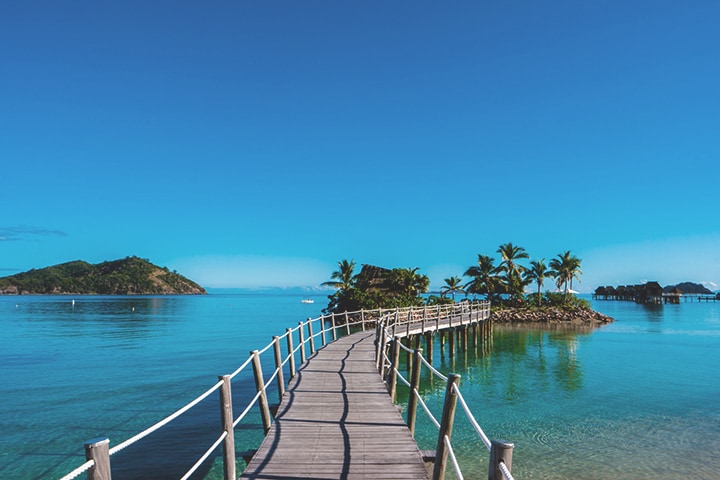
Ferries, speedboats, water taxis and private charters connect Viti Levu with many of Fiji's outer islands. Port Denarau Marina is a major transport hub for travellers heading to the Mamanuca and Yasawa Islands.
Travel time varies considerably depending on your island. Some Mamanuca resorts can be reached relatively quickly, while travelling further into the Yasawas can take several hours by ferry.
Domestic flights
Domestic flights are often the quickest way to reach Fiji's more distant islands and regions, including Taveuni, Kadavu and Vanua Levu. If you're planning a multi-island holiday, compare travel time as well as accommodation when deciding how to structure your itinerary.
Read our getting around Fiji guide for more information on transport and transfers.
Planning your Fiji holiday

Best time to visit
May to October

How long to stay
5–7 days

Where to stay
Denarau, Coral Coast, Mamanucas or Yasawas

Entry requirements.
Valid passport. Australians generally don't need a tourist visa in advance*

Currency
Fijian dollar (FJD)

Power points
Type I – same as Australia
*Entry requirements apply and can change. Check current Fiji visa and entry requirements before travelling.
Frequently asked questions - Holidays in Fiji
How many days do you need for a Fiji holiday?
Five to seven days gives you time to settle into island life, enjoy your resort and experience some of Fiji's beaches, reefs and activities without rushing. Stay longer if you want to combine Viti Levu with an outer island or explore more than one island group.
Where is the best place to stay in Fiji for first-time visitors?
Denarau Island and the Coral Coast are good options for first-time visitors who want the convenience of staying on Viti Levu. Denarau offers easy access to Nadi International Airport, major resorts and island transfers from Port Denarau, while the Coral Coast combines resort stays with beaches and opportunities to explore more of mainland Fiji. The Mamanuca Islands are another good option if a classic island escape is your priority.
Is it better to stay on mainland Fiji or an island?
It depends on the type of Fiji holiday you're looking for. Staying on Viti Levu offers easier airport access, more transport options and greater flexibility to explore by road, while the outer islands offer a more secluded island experience. If you have a longer holiday, combining a mainland stay with a few nights on an outer island can give you the best of both.
Is Fiji good for a family holiday?
Yes. Fiji is a popular family holiday destination, with family-friendly resorts, kids' clubs, pools, beaches, snorkelling and activities for different ages. Denarau Island and the Coral Coast are particularly convenient for families, while some outer-island resorts also offer dedicated family facilities and activities.
Are Fiji resorts all-inclusive?
Some Fiji resorts offer all-inclusive packages or meal plans, but not all do. This is particularly important to check when staying on an outer island, where dining options outside your resort may be limited. Check what's included with your accommodation before booking so you can plan for meals, drinks and other holiday costs if needed.
Do Australians need a visa for a holiday in Fiji?
Australian passport holders generally don't need to apply for a tourist visa in advance for a short visit to Fiji. Eligible Australian visitors can be issued a visitor permit on arrival, provided they meet Fiji's current entry requirements. Check the latest Fiji visa and entry requirements before travelling.
Does Virgin Australia offer holiday package deals for Fiji?
Yes! You can save on your next trip to Fiji when you book a flight and hotel package deal with Virgin Australia. You can also enjoy free cancellation on select holidays. Velocity members can earn Velocity Points on eligible holidays and can redeem points or use Points + Pay on select holiday bookings.
*Holiday package rates shown may change, for reasons such as real-time inventory updates, occasional currency fluctuations and data refreshes. Your selected price may no longer be available at the time of payment, in which case we will provide you with the lowest available price for your selected room and flight. Final pricing will be displayed in the price breakdown prior to booking.
** This charge includes estimated amounts the travel service provider (eg: hotel) pays for their taxes, and/or taxes that we pay, to taxing authorities on your booking (including but not limited to sales, occupancy, and value added tax). This amount may also include any amounts charged to us and/or a fee that the travel service provider retains as part of the compensation for their services, which varies based on factors such as location, the amount, and how you booked. Hopper does not retain any of these amounts as compensation. For more details, please see the terms and conditions.