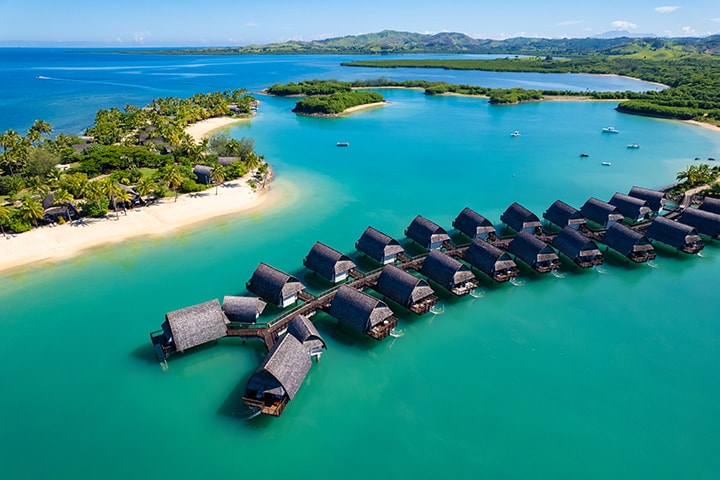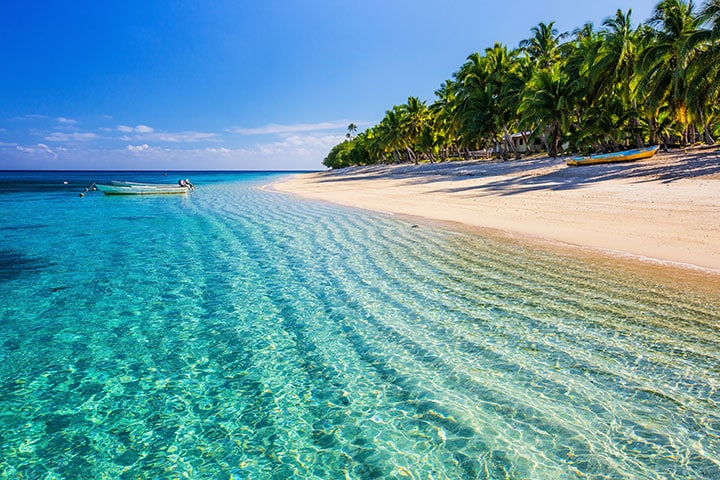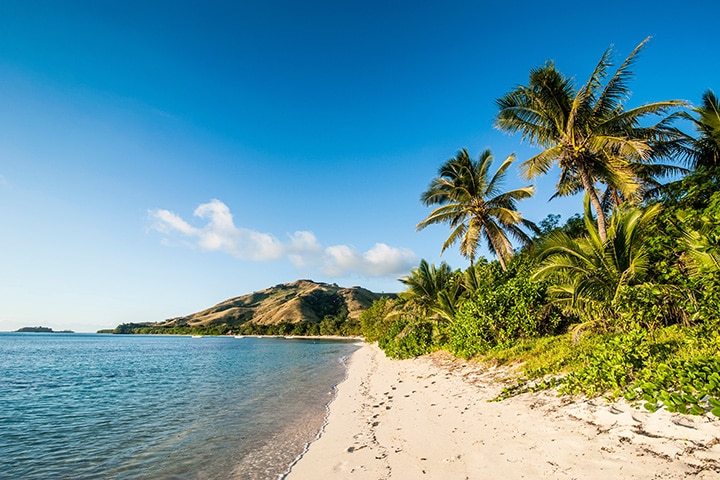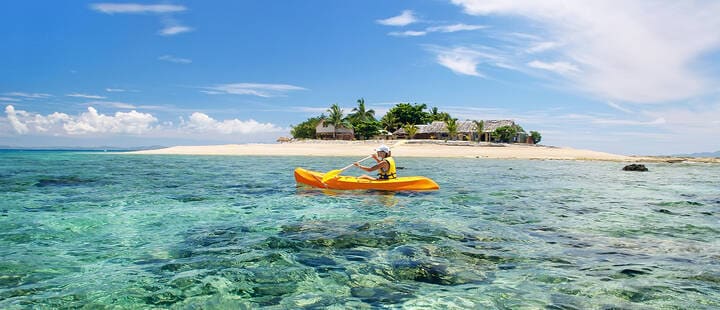

Fiji is your screensaver in real life: a sun-drenched South Pacific paradise of silky white sands and coral beaches, iridescent blue waters and boundless skies that’s just a few hours’ direct flight from Australia’s east coast.
It’s a holiday hotspot that balances inner reflection with outdoor exploration through serene retreats and adrenaline-fuelled adventures, and cultural immersion and culinary journeys.
Beyond the water, Fiji’s attractions span everything from giant sand dunes and natural hot springs to markets, museums and traditional villages. You can bliss out at a beach club, spot native wildlife, chase waterfalls on a coastal walk or settle in for a postcard-perfect sunset.
Whether your travel style is nonstop action or flop-and-drop relaxation, Fiji delivers an island escape that suits families, couples, nature lovers and thrill-seekers alike.
Table of contents
-
Fiji's main attractions
-
Attractions in Nadi, Denarau and the Coral Coast
-
Attractions in the Mamanuca Islands
-
Attractions in the Yasawa Islands
-
Attractions in Suva & Pacific Harbour
-
Attractions in Northern Fiji: Taveuni & Vanua Levu
-
Best Fiji attractions for different travellers
-
Tips for visiting Fiji’s attractions
-
FAQs
Where Fiji’s main attractions are located
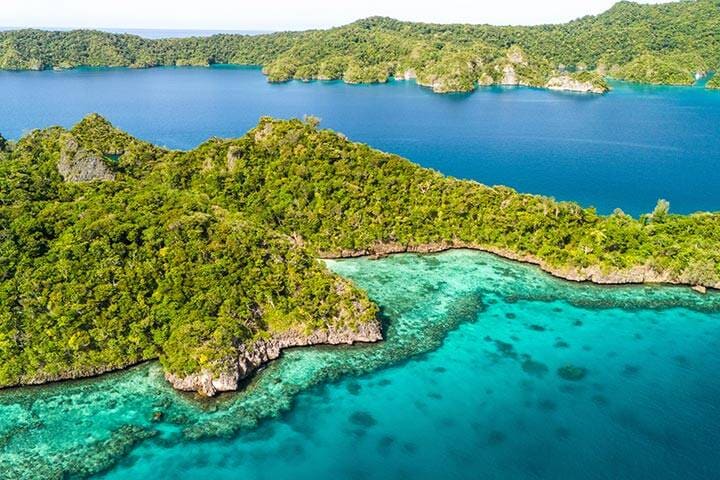
Fiji famously has more than 300 islands, with its main attractions spread across several regions. Here are the most popular areas to stay and play, organised by region to help you plan your trip.
- Nadi, Denarau & Coral Coast – Fiji’s gateway of Nadi, the exclusive resort area of Denarau, and the laidback Coral Coast are all located on the main island of Viti Levu. This is also home to Nadi International Airport, where Virgin Australia Fiji flights arrive and depart, with many attractions easily accessible by car.
- Mamanuca Islands – A small island group west of Nadi, with easy connections from Port Denarau for day trips. The Mamanucas are known for world-class resorts and a range of popular attractions.
- Yasawa Islands – This remote chain of around 20 islands is best suited to overnight stays or island-hopping via ferry. It’s known for nature-based attractions and water activities, including sea caves and clear blue lagoons.
- Suva & Pacific Harbour – Located on Viti Levu, the capital (and largest city) Suva offers cultural and historic sights, nightlife and shopping, while Pacific Harbour on the southern coast is known as Fiji’s adventure capital.
- Northern Fiji (Taveuni & Vanua Levu) – Typically reached by domestic flight from Nadi, these northern islands are known for rainforests, waterfalls and world-class dive sites, with nature-based attractions across both land and reef.
Attractions in Nadi, Denarau and the Coral Coast
With international flights from Australia landing in Nadi, the main island of Viti Levu is Fiji’s tourism hub, with plenty of cultural attractions, beaches and national parks easily accessible from Nadi, Denarau and Coral Coast resorts.
1. Sri Siva Subramaniya Temple (Nadi)
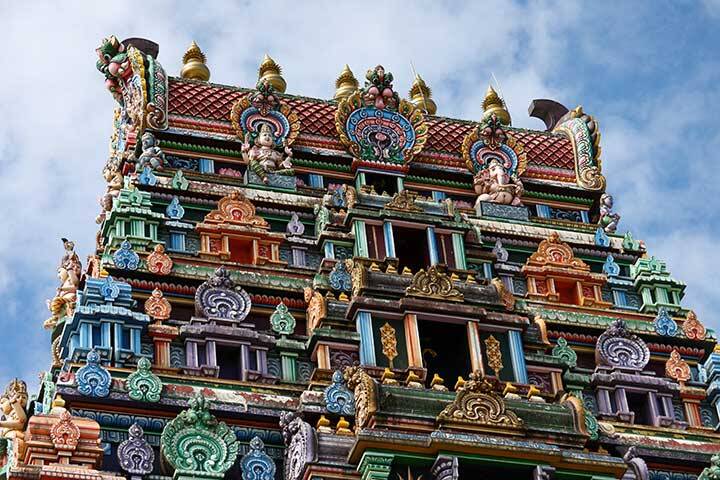
This bold and brightly hued Hindu temple is the largest in the Southern Hemisphere and one of the few places to see traditional Dravidian architecture outside India, thanks to the island nation’s vibrant Fijian-Indian population.
Indian artists created the striking ceiling frescos that adorn the temple, while the wooden carvings of Hindu deities were sourced from India. llow around 1–2 hours to explore the site, excluding the inner sanctum, which is not accessible to non-Hindus. Be sure to dress modestly, remove your shoes before entering and reserve your photos for the exterior and grounds.
The best time to visit is between 8:30am and 3pm to join a 30-minute tour for a small fee.
2. Nadi Market
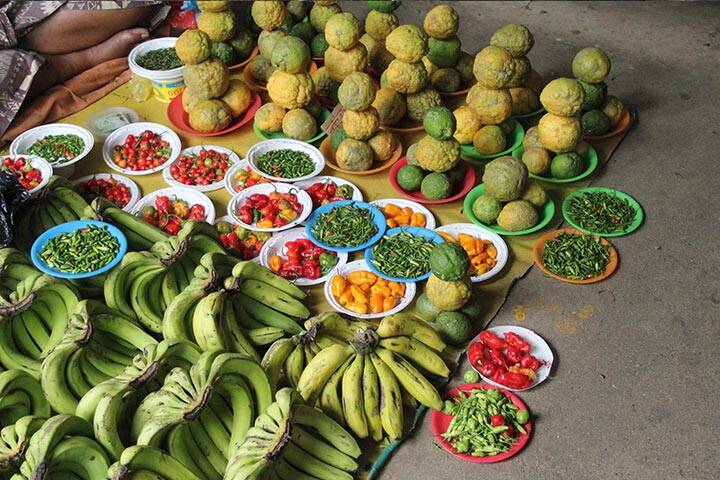
Explore the beating pulse of everyday life at this outdoor and undercover farmers market. Here, you’ll find tropical fruits such as mangoes, papayas, pineapples and bananas alongside local culinary staples like jackfruit, breadfruit and taro leaves and even yaqona (kava), the ceremonial Fijian drink.
Nadi Market isn’t just for sourcing produce, you can also try local flavours from stall vendors selling sweet and savoury snacks, including fresh fruit bowls, handmade cassava chips and coconut cream candy.
Arrive early for the choicest produce and fewer crowds and have a chat with the vendors about local ingredients. Saturdays are particularly lively.
3. Garden of the Sleeping Giant
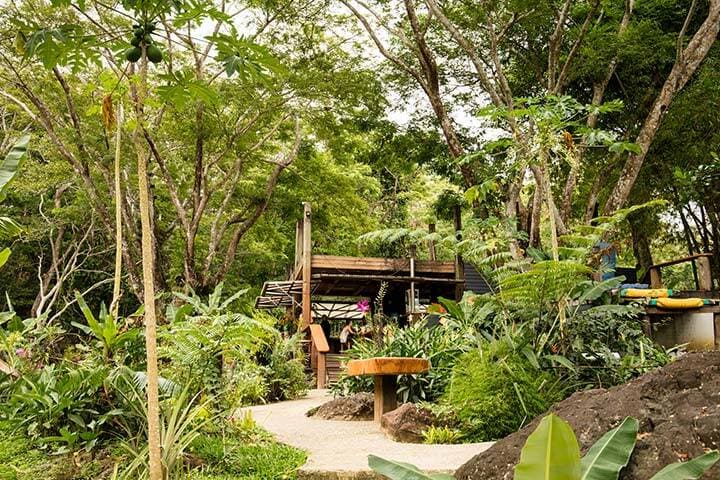
A 20ha botanical landscape originally cultivated by the late Hollywood actor Raymond Burr in the 1970s, the Garden of the Sleeping Giant sits at the base of the Sabeto Range, offering a lush contrast to nearby resort areas of and Nadi.
The horticultural hotspot contains thousands of orchids alongside landscaped lawns, tranquil waterlily ponds and feature gardens. Take 1-2 hours to wander the wooden walkways and paved paths, enjoy a picnic in the grounds, or join a guided tour to learn more about the collection.
To see the orchids in full bloom, visit between June and July or November and December.
4. Sabeto Mud Pools and Hot Springs
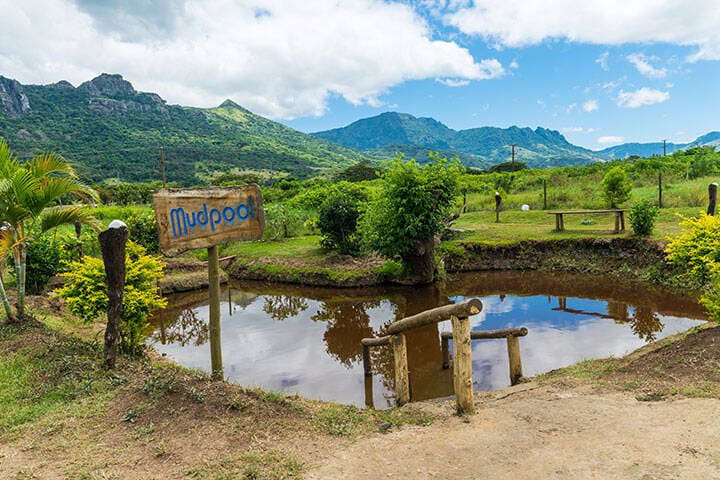
If an immersive and fun wellbeing experience is on your Fiji holiday wish list, Sabeto Hot Springs & Mud Pool is a must-visit. Think natural mud wraps, mud pool baths, soothing geothermal waters and relaxing Fijian massages.
Bring your swimmers and enjoy the therapeutic mud pool, followed by four increasingly hot mineral springs, then complete the experience with a traditional Fijian massage for an additional fee.
Allow around 2–3 hours, depending on your chosen package.
Go in the early morning or late afternoon to avoid crowds.
5. Sigatoka Sand Dunes National Park
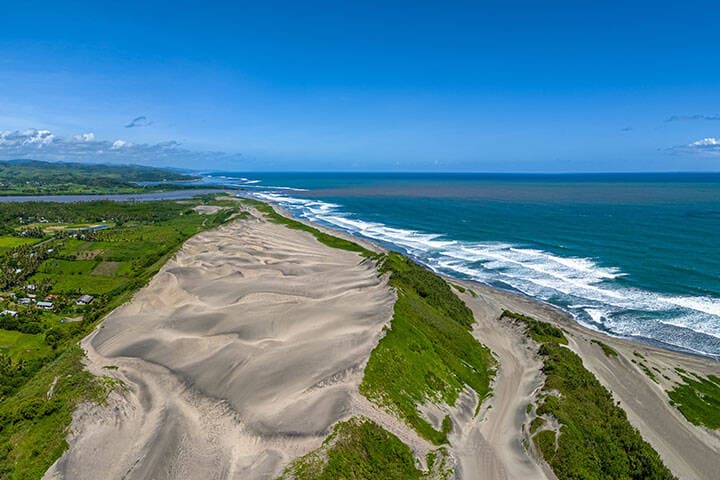
Fiji’s first national park is also one of its most surprising, with shifting dunes and dry forests covering 263 hectares along the Coral Coast, as well as hidden archaeological treasures, wildlife and two walking trails.
The national heritage site has revealed pottery and ancient burial grounds from early Lapita settlers dating back around 2,600 years. Today, Sigatoka Sand Dunes National Park is also home to native wildlife, including more than 37 bird species. Keep an eye out for fruit bats, lizards and geckos as you explore the walking trails. Allow around 1–2 hours to explore, including time for dune climbing.
Visit in the morning to explore before the park closes briefly at midday for an hour.
6. Natadola Beach
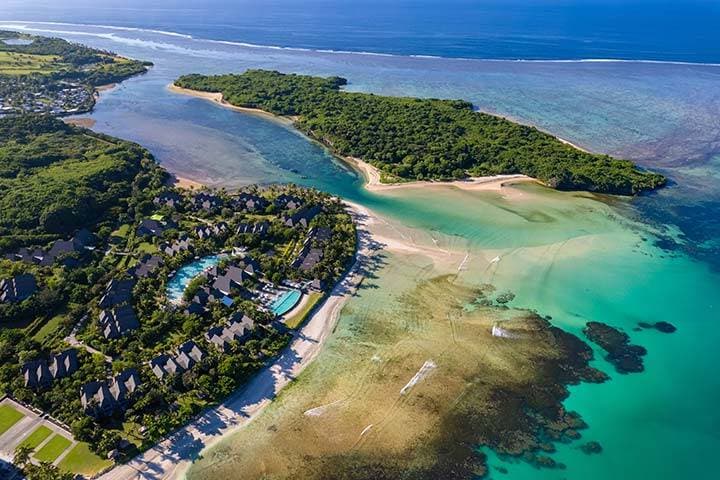
Spend a full day at Natadola Beach soaking up the sun at one of Viti Levu’s finest stretches of sand. This popular public beach offers picnic areas and basic facilities, making it easy to settle in for the day.
With crystal clear, warm water and gentle conditions, Natadola Beach is well suited to families with little ones. The reef offers snorkelling and diving opportunities, and the gentle rolling waves near the InterContinental Golf Resort & Spa are ideal to learn to surf. You can also try horseback riding along the sand, book a beachside massage or join a cultural village tour nearby.
While Natadola is beautiful at all times of day, plan for visit for late afternoon for a spectacular sunset experience.
7. Kula Wild Adventure Park
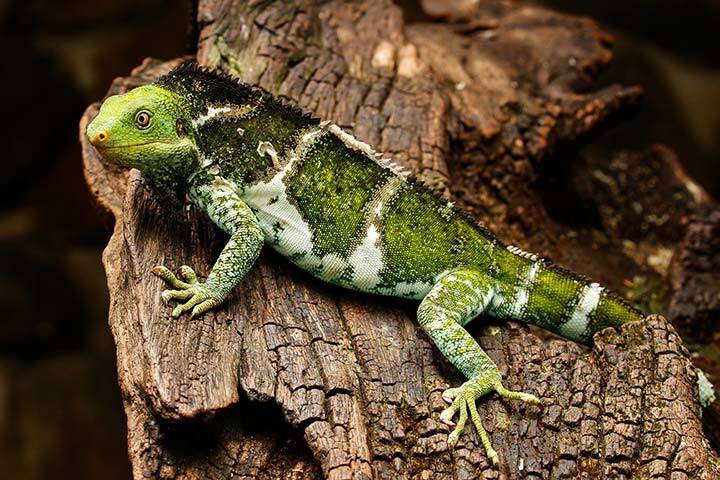
Kula WILD Adventure Park combines a wildlife sanctuary, waterpark and adventure rides in one setting, making it a great attraction for families and groups.
Set across more than 11 hectares of rainforest and valleys, the park features boardwalks, a jungle water slide, a canopy zip-ride, reptile enclosures, aviaries and marine exhibits. Plan to spend a full day exploring the park, with options for self-guided visits or interactive experiences like behind-the-scenes tours and junior ranger programs for the kids.
The best time to visit is between May and October during the dry season.
Attractions in the Mamanuca Islands
The Mamanuca Islands are known for their clear waters, popular surf breaks and relaxed island experiences. They’re also home to famous filming locations and easy day-trip destinations from Denarau, making them an idyllic addition to your Fiji itinerary.
1. Cloud 9 Floating Platform
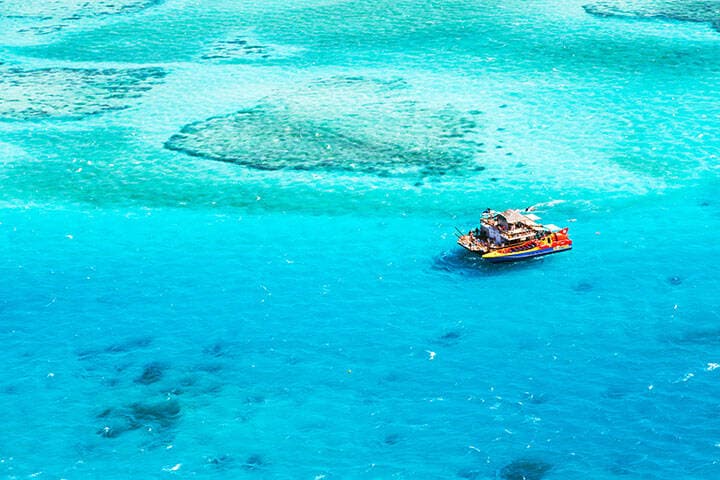
Fiji’s first floating bar, Cloud 9 is a lively base for swimming, snorkelling and soaking up the sun. With DJ sets, a fully stocked bar and Italian-style wood-fired pizzeria, it’s the perfect half day or full day trip from Denarau.
Moored on Ro Ro Reef, the platform includes a jump deck and access to clear surrounding waters, with optional activities like stand-up paddleboarding, parasailing and jet skiing available. You can’t BYO food and drink, but the bar offers a wide range of alcoholic and non-alcoholic beverages for purchase, plus handmade pizzas that you can enjoy on daybeds and lounges.
2. Malamala Beach Club
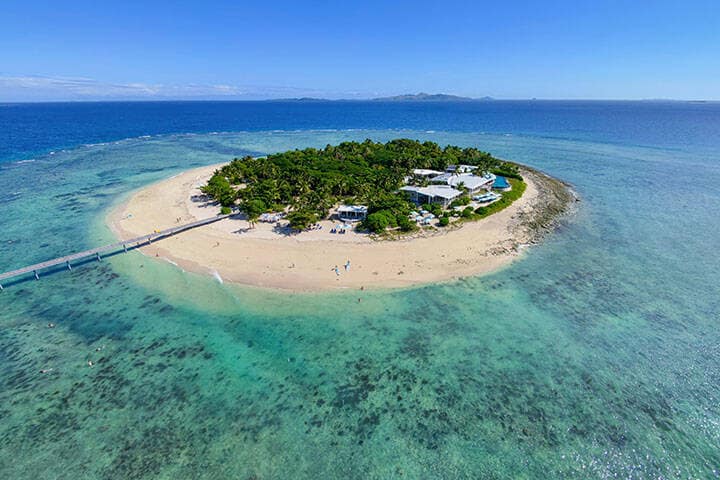
Spend a half or full day on a private island at Malamala Beach Club, just 30 minutes from the mainland. Expect white-sand beaches, clear water and sweeping views across the Mamanucas.
Swim, snorkel or simply just enjoy relaxing at the infinity pool and beachside cabanas.
Other facilities include a restaurant and bar, and non-motorised watersports equipment. Day passes typically include return coach from Denarau, Nadi or Coral Coast resorts, return boat transfers to and from Malamala Beach Club, towel service, and free Wi-Fi, so all you need to bring is your swimwear, a hat, sunscreen and a sunny outlook. To maximise your time on the island, you can hire a poolside day bed or cabana for an additional fee.
For the best weather, visit between May amd October. May and September are typically quieter and better for snorkelling and snagging a good day bed.
3. Monuriki Island (Cast Away filming location)
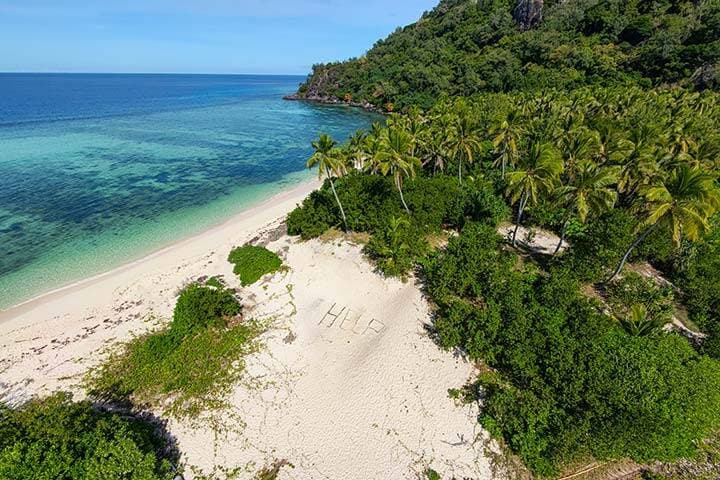
It’s been more than 25 years since Cast Away was released in 2000, and Monuriki Island remains a draw for travellers keen to visit its cinematic setting. With white-sand beaches, palm trees and volcanic rock formations, Monoriki Island provides the stunning backdrop for the deserted isle everyone wants to visit.
This small, uninhabited island in the Mamanucas is only accessible via guided tours or private boat. Visits typically include snorkelling, swimming and short hikes, with some tours including lunch.
4. Malolo Island Beaches
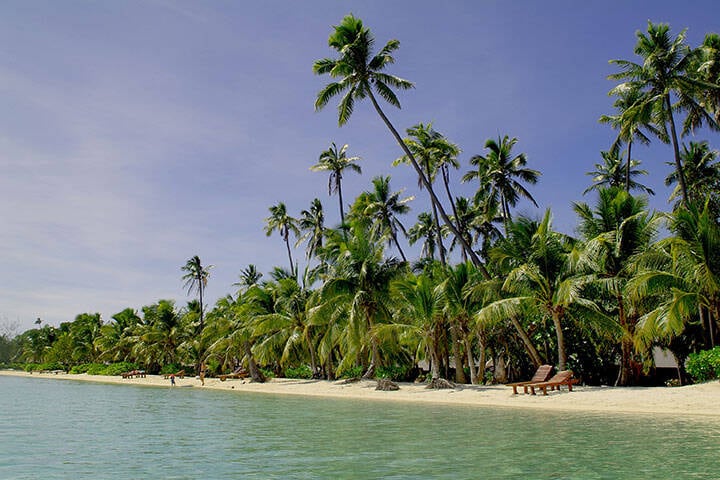
Malolo Island is located directly west of Port Denarau and Malamala Island, offering a mix of soft-sand beaches, calm swimming areas and access to well-known surf and dive sites, including Cloudbreak. It’s also home to protected marine areas with abundant fish and accessible coral reefs.
Day trippers can take advantage of some of the private Malolo Island Resort amenities, dipping a toe into the barefoot luxury at beaches and pools, while also enjoying access to watersports equipment for snorkelling, kayaking and standup paddleboarding, restaurants and water-based relaxation.
Attractions in the Yasawa Islands
More remote and less developed than the Mamanuca Islands, Fiji’s Yasawa Islands are known for their natural attractions, from dramatic scenery and clear lagoons to palm-fringed beaches and renowned dive and surf sites. Best suited to overnight stays or planned day trips, they offer a more laidback, off-the-grid island experience.
1. Sawa-i-Lau Caves
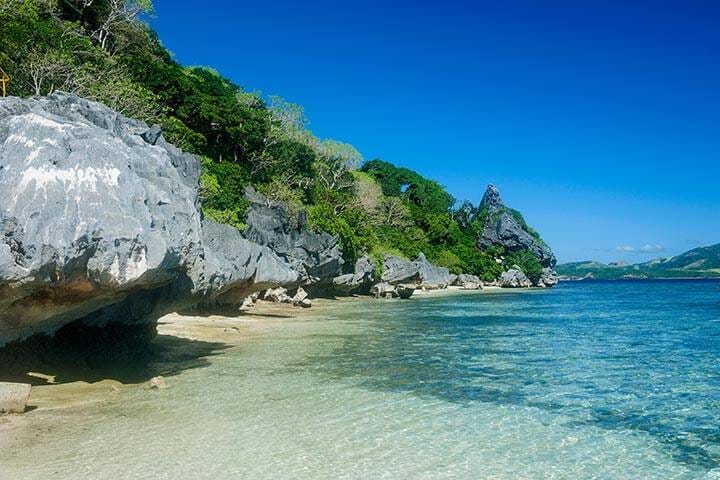
Set on a tiny limestone island in the Yasawas, Sawa-i-Lau Caves are known for their tide-fed seawater pools and dramatic underground chambers. The caves are one of the region’s most unique natural attractions, luring day trippers by the boatful to channel their inner mermaid on a full-day guided tour.
Located within the island’s single mountain, you’ll find two turquoise swimming pools within the island’s limestone interior. One is naturally lit from above, while the second chamber is accessed through a short underwater tunnel and is known locally as the ‘heart of the Yasawas’. Allow a half to full day depending on your transport and tour option.
Visit at low tide, ideally in the afternoon when sunlight filters into the caves, or earlier in the day to avoid crowds
2. Blue Lagoon
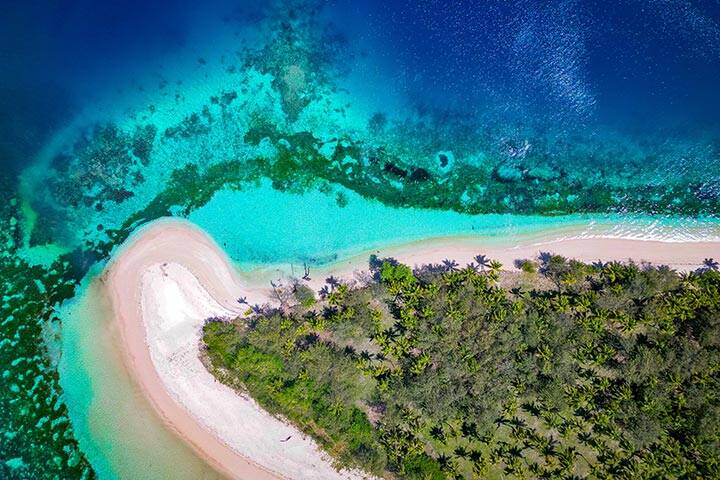
The Blue Lagoon is one of the most famous stretches of water in the Yasawa Islands, known for its calm, aquamarine waters and surrounding island scenery. It sits between several islands, including Nanuya, Matacawa Levu, Tavewa and Nacula.
While the 1980 Hollywood shipwreck movie, The Blue Lagoon, was filmed nearby on Turtle Island (Nanuya Levu), an adults-only private island, the wider lagoon area continues to draw visitors for its postcard-perfect setting. Day trips typically include swimming, snorkelling, kayaking or paddleboarding, with clear visibility over coral reefs and tropical fish.
The Blue Lagoon is best visited during high tide for swimming and snorkelling
Attractions in Suva & Pacific Harbour
On the southeast coast of Viti Levu, Fiji’s capital Suva brings big-city energy through arts, culture, nightlife, cuisine and historic sites, while less than 1 hour west, Pacific Harbour is known as the ‘Adventure Capital’, with outdoor experiences spanning jungle, river and reef.
1. Fiji Museum
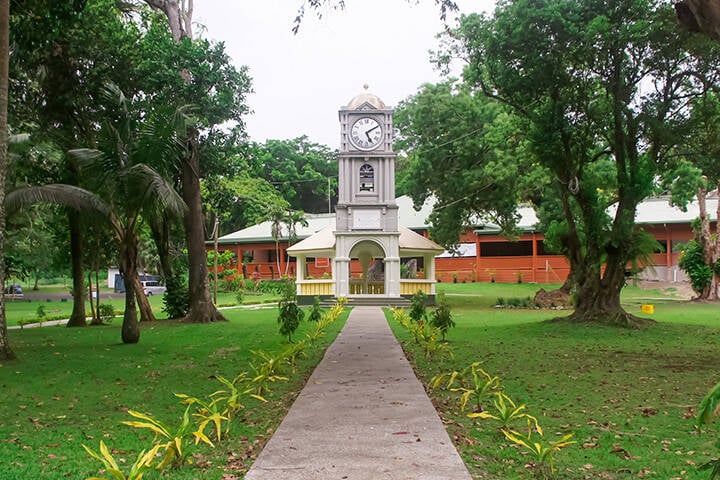
Fiji Museum houses an array of artefacts and displays, some dating back almost 3,700 years, that trace the archipelago’s historical and cultural evolution, highlighting indigenous inhabitants and other communities who have settled in the last 200 years.
The compact museum has several galleries that offer a quick educational download of Fiji’s heritage and culture and is easy to explore in 1-2 hours, with exhibitions covering Fiji’s maritime heritage and the stories of its diverse communities.
When visiting the museum, make sure to drop into nearby attractions like Suva's markets and Thurston Gardens.
2. Colo-i-Suva Forest Park
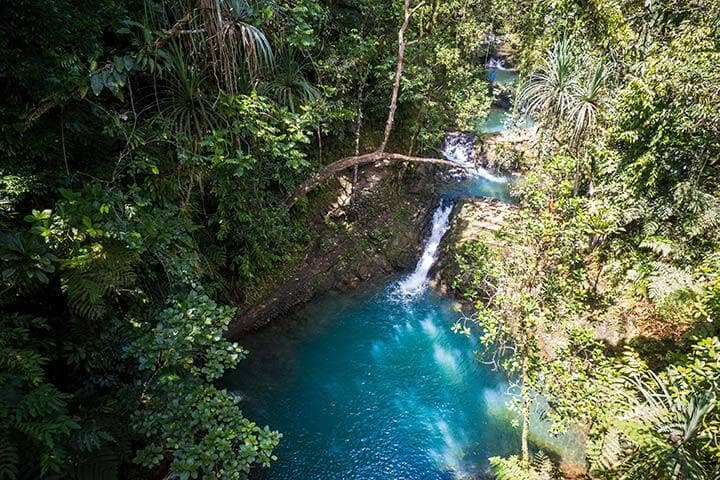
Enjoy a refreshing scenic contrast to the city at Colo-i-Suva Forest Park, just 15 minutes north of the centre of Suva. Part of the Queen’s Commonwealth Canopy of preserved forests, the 90ha park features offers a lush rainforest escape with waterfalls, walking trails and natural swimming pools.
There are 6.5km of walking trails, varying from quick 10-minute strolls to hour-long hikes around natural swimming pools and viewpoints. Bring your swimmers and sturdy shoes for the 1.5-hour return Nature Trail to the Lower Pools for a dip and a rope swing into the water, encountering a series of waterfalls and dense tropical foliage along the way. Allow around 1–2 hours to explore, or longer if you plan to swim at the Lower Pools or walk the full Nature Trail.
Aim to visit between May and October, when the weather is drier and there are less rainy and humid conditions, making the trails easier to navigate.
3. Navua River
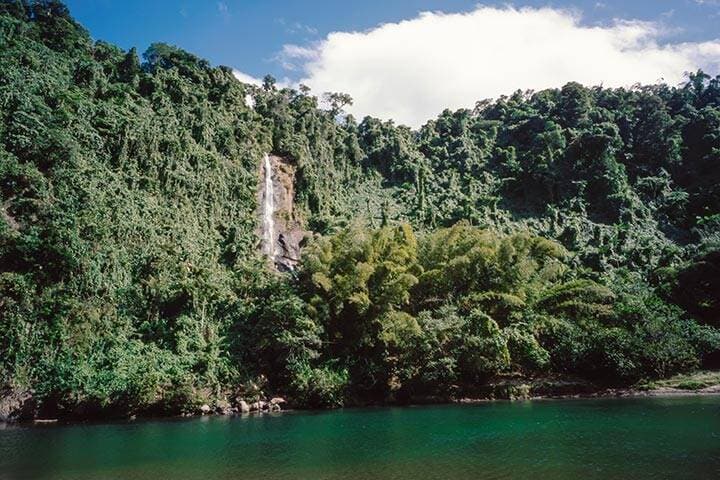
Located on Viti Levu near Pacific Harbour, Navua River provides a fun day out with watersports activities ranging from motorised longboat rides and river tubing adventures downriver to upriver whitewater rafting and kayaking, making it suitable for families and adrenaline seekers alike.
The 65km scenic river winds through tropical rainforests, deep gorges and cascading waterfalls, with many tours including village visits, swimming stops and lunch. Plan for a full-day experience.
Pack your swimmers, sunscreen and water-suitable shoes and get ready to get wet.
For the best rafting conditions. plan to visit between November and April whenthe water levels are higher.
4. Beqa Lagoon
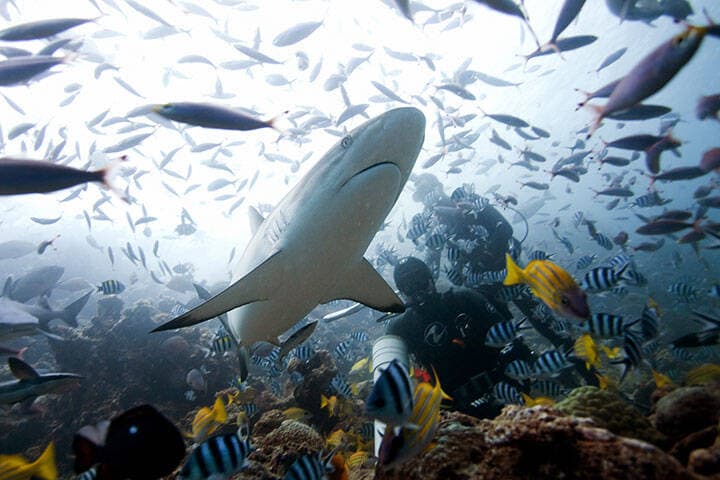
Beqa Lagoon is known for its soft coral reefs, historic wrecks, clear water and abundant marine life, making it a popular spot for snorkelling and diving. But its most famous drawcard is undoubtedly shark diving, where experienced divers can swim with eight species of shark and other fish at depths of more than 18 metres.
Several operators will kit you out for small-group dives with resident silvertips, tiger, nurse, reef and bull sharks at the marine park in Beqa Lagoon, along with reef dives to spy thousands of fish in the 30km of surrounding reef. Located 10km south of Pacific Harbour on laidback Beqa Island, other watersports options in the calm lagoon include sea kayaking, standup paddleboarding and swimming.
July to September has the best underwater visibility.
Attractions in Northern Fiji: Taveuni & Vanua Levu
Seeking serenity and adventure? Head north of the Viti Levu mainlan to find both on the Vanua Levu group of islands. Taveuni, known as Fiji’s Garden Isle, is rich in rainforests and reefs, while Vanua Levu offers a quieter, less developed island experience.
1. Bouma National Heritage Park
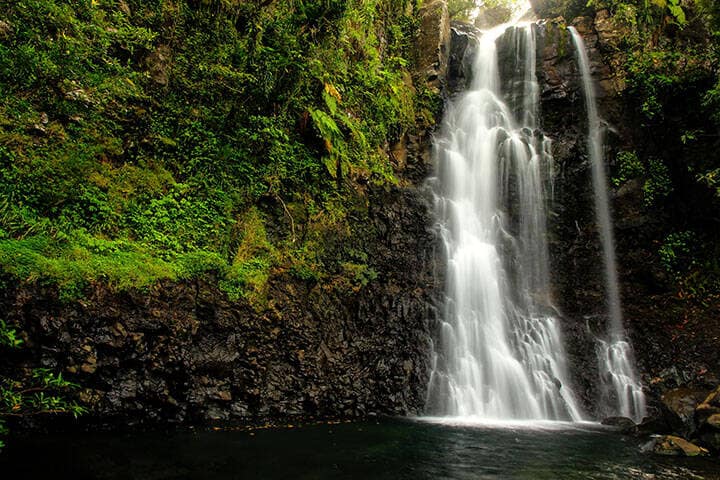
Covering around 15,000 hectares of pristine coastal forest and tropical jungle, Bouma National Heritage Park spans a large portion of Taveuni and is central to its ‘Garden Isle’ reputation.
Its biggest drawcard is a trio of cascading waterfalls, but many come for the walking trails, swimming pools, dense jungle landscapes and serenity that comes with the sounds of the cascades and birdlife.
Entry is payable at the entrance and gives you access to multiple sites. Allow around 1–3 hours to explore, depending on how many sites you visit.
Visit during the dry season between May and October as trails may close in wet weather.
2. Tavoro Waterfalls
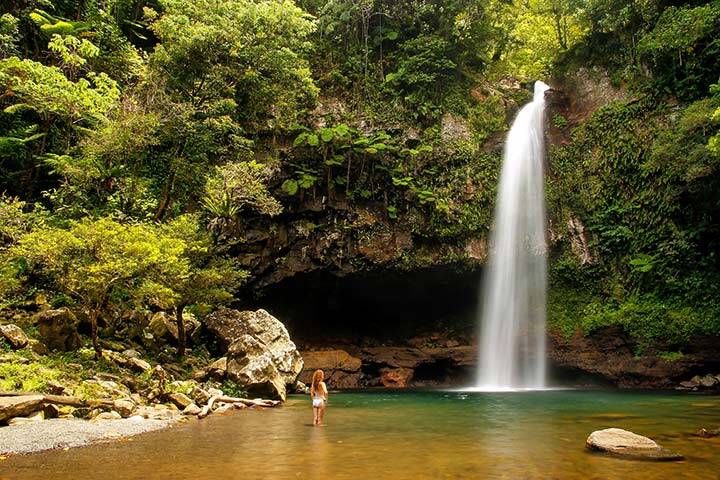
Tavoro Falls, also known as Bouma Falls, is an iconic trio of cascading waterfalls located within Bouma National Heritage Park. The trio is one of Fiji’s most accessible waterwalls, with swimming pools at the base for a refreshing dip.
The first waterfall is the tallest (24m) and easiest to reach, just a 10–15 minute walk from the visitor centre, with a large natural pool and facilities nearby. The second and third falls require 30- and 60-minute uphill hikes, but the added challange over rocks and forest paths is well worth the effort for the panoramic views and the chance to cool off in a peaceful, remote spot. Bring your swimmers and some non-slip shoes to navigate the sometimes-slippery paths.
Visit during the dry season between May and October when there is less rainfall and humidity as well as better track conditions and easier access to swimming areas.
3. Lavena Coastal Walk
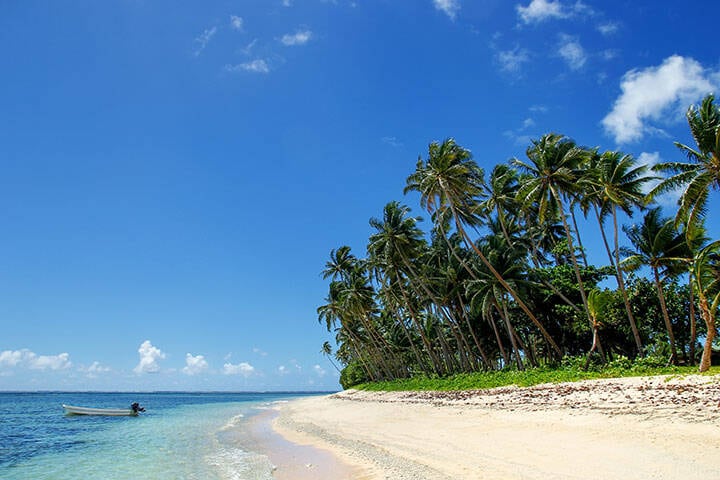
Bouma National Heritage Park is home to the popular Lavena Coastal Walk, a trail primed for accessible adventures. The full-day 10km return coastal trail starts at Laveuna Village and winds through rainforest, beaches and lagoons, ending at the Wainibau Waterfall.
The Lavena Coastal Walk will bring out your adventurous side with a rope-assisted river crossing, but the mostly flat and well-worn path suits most fitness levels. A dip in the Wainibau Waterfalls will involve a swim or wade through a gorge to reach it. Alternatively, you can also hire a boat in Lavena Village directly to the falls.
Visit during the dry season between May and October for drier conditions. Aim for low tide to make it easier for the river crossing!
4. Rainbow Reef
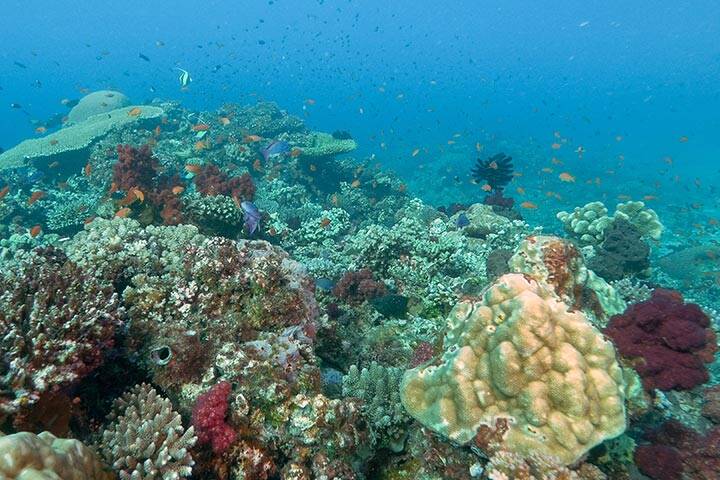
Located in the Somosomo Strait between Taveuni and Vanua Lev, Rainbow Reef is one of Fiji’s most renowned dive and scuba areas, known as the soft coral capital of the world. Thanks to strong nutrient-rich currents, you’ll see a vibrant range of soft corals and tropical aquatic life, including reef sharks, turtles and manta rays.
There are more than 30 dive sites, including the world-famous Great White Wall and Rainbow Passage. Suitable for both snorkellers and divers alike, it’s best experienced as a full-day trip from nearby resorts.
Visit any time of year, but June to August is best for manta ray and whale sightings.
5. Savusavu Hot Springs
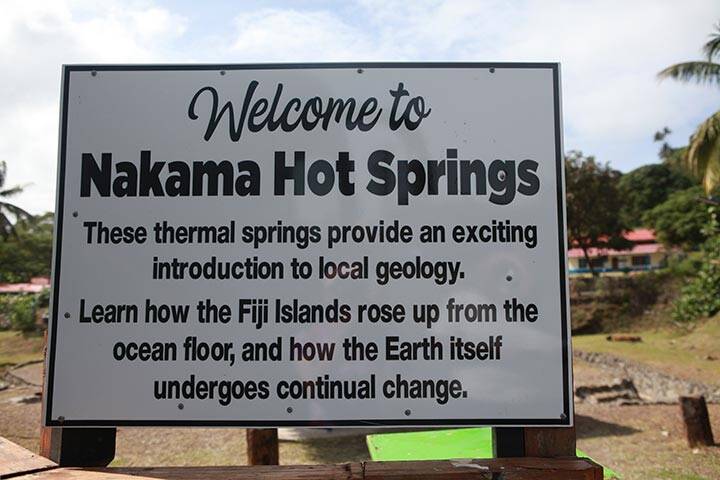
Visit the Nakama Hot Springs in the centre of Savusavu Town on Vanua Levu’s south coast for an authentic geothermal water experience, heated by the volcanic caldera that formed Savusavu Bay. Dotted along the scenic seaside strip, the natural hot springs create a misty landscape, with steam rising from vents along the paths.
Spend around 1 hour viewing the bubbling hot springs and steam vents, with shaded seating under thatched bures available nearby.
With temperatures reaching up to around 100°C, the springs are not suitable for bathing - instead, it’s an opportunity to see local geology in action.
The springs are best viewed at low tide when steam vents are most visible.
Best Fiji attractions for different travellers
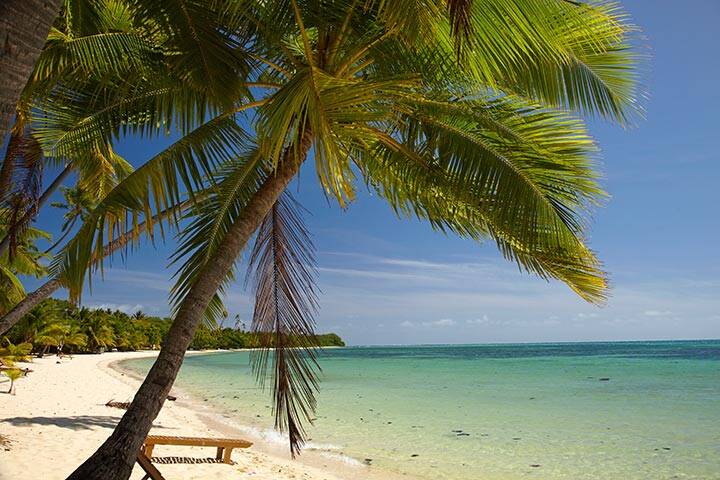
Whether you’re travelling solo to Fiji or with your crew or with your family or partner in tow, there are attractions dotted across the islands for visitors of all ages and interests.
For families
- Spot the wildlife at Kula WILD Adventure Park
- Unearth history and geology at Sigatoka Sand Dunes National Park
- Cool off with a refreshing dip at Colo-i-Suva Forest Park
- Learn about Fiji’s history and culture at the Fiji Museum
- Go with the gentle flow, tubing on the Navua River
For couples
- Swoon together in the Blue Lagoon
- Party in the South Pacific on the Cloud 9 Floating Platform
- Soak up the sights on a sunset cruise
- Relax into a steamy mud bath at Sabeto Hot Springs
- Book a beachside couple’s massage on the sand
For nature lovers
- Play Cast Away on Monoriki Island
- Find your own Garden of Eden at the Garden of the Sleeping Giant
- Hike the Lavena Coastal Walk
- Dive into the world-famous Rainbow Reef
- Trek to the trio of Tavoro Waterfalls
Tips for visiting Fiji’s attractions
Getting around Fiji
Fiji’s well-established tourism infrastructure makes it easy to visit attractions across popular hubs, from the main island of Viti Levu to island chains such as the Mamanucas, Yasawas and the Vanua Levu island group, using public or private transport.
Best time to visit attractions
The two distinct seasons – wet and dry – will influence the best time to visit certain attractions. The dry months typically offer more comfortable and optimal conditions, with cooler temperatures and less rain and humidity. Most attractions are open daily, and many tours run as half- or full-day trips.
Popular day trips from Denarau
For those who want to explore attractions beyond Denarau, some of the most popular day trip options include full-day packages to the Mamanuca and Yasawa Islands, with stops at Cloud 9 Floating Platform or Malamala Beach Club. Other options include shark diving in Pacific Harbour, visiting Monuriki Island (the Cast Away filming location) and eco-cultural tours along the Sigatoka River.
FAQs
-
What are the best attractions in Fiji?
Fiji’s best attractions skew towards nature and soft adventure, shaped by cultural, historic and culinary experiences, alongside plenty of water-based activities. Depending on your interests, Fiji attractions will appeal to families, couples, nature lovers, thrill-seekers and solo travellers alike.
The most popular Fiji attractions typically centre around the water, from island-hopping cruises and full-day tours to outer islands to relaxing at beach clubs or floating bars, snorkelling and diving, chasing waterfalls or swimming in sheltered lagoons, natural plunge pools and pristine beaches.
-
Can you visit Fiji attractions from Denarau Island?
Absolutely. Port Denarau is a convenient launchpad to many top Fiji attractions, including island-hopping cruises, water-based activities and half- and full-day tours to island groups, such as the Mamanucas and Yasawas. Other attractions within 1 hour of Denarau resorts include Sabeto Mud Pool & Hot Springs, Garden of the Sleeping Giant, Sigatoka Sand Dunes National Park, Nadi Markets, Sri Siva Subramanya Swami Temple and cultural village visits.
-
What are the most famous attractions in Fiji?
Fiji has many iconic attractions that are easily accessible on a holiday and from major resorts. For famous must-see sights, add the Mamanuca and Yasawa islands, Garden of the Sleeping Giant, Sabeto Hot Springs & Mud Pool and Sigatoka Sand Dunes National Park to your Fiji itinerary.
-
What can I see in Fiji in 3 days?
If you only have 72 hours in Fiji on a stopover or short holiday, you can pack a lot into a three-day itinerary. Base yourself at a Nadi or Denarau Island resort on Viti Levu for easy access to activities. From Port Denarau, you can spend a full day out on the Mamanuca Islands, whether that’s soaking up the ambience at Malamala Beach Club or Cloud 9 or enjoying a snorkelling day trip, followed by a sunset dinner cruise.
The next day, swap the relaxed pace for a Coral Coast adventure, visiting Sigatoka Sand Dunes National Park, experiencing Sigatoka River Safari, followed by a cultural village visit and spotting wildlife at Kula WILD Adventure Park.
For your final day in Fiji, explore Nadi’s cultural and historic sites, including the vivid and bright Sri Siva Subramaniya Swami Temple and Nadi Markets, followed by a visit to the Garden of the Sleeping Giant and a mud bath at Sabeto Mud Pools & Hot Springs.
-
Are Fiji attractions easy to visit on your own?
Fiji’s main tourist hubs are connected by inter-island transport, such as ferries, fast catamarans and boats, and most resorts offer transfers and packages for popular attractions. Public transport can be slower and less frequent, so for inland attractions, it’s often easier to use a taxi or private driver.
Flights to Fiji
Virgin Australia offers direct flights to Fiji from major Australian cities, including: