Nicknamed "The Island of the Gods," Bali is a picturesque paradise famous for its stunning beaches, lush rice fields and a rich cultural heritage that immerses visitors in a vibrant tapestry of traditions.
Bali, an island between Java and Lombok that forms parts of the part of the Lesser Sunda Island chain in Indonesia, is famous for its clear, sunny weather, welcoming local culture and incredible landscapes like beaches, coral reefs mountains and rice fields. It’s no wonder that Bali is one of the most popular travel destinations in the world! Our Bali travel guide will help you plan the trip of a lifetime.

Frequently asked questions about travelling to Bali
-
Where is Bali?
Bali is an Indonesian island located in the western part of Indonesia, a short distance east of Java, separated by the narrow Bali Strait. Bali is both an island and a province that is part of the Lesser Sunda Islands, with a provincial area of 5,780 square km and a diverse geography that includes mountainous regions, lush forests, and beautiful beaches. Bali's highest point is Mount Agung, known as the "navel of the world," reaching 3,142 metres. The capital city of Bali is Denpasar, which connects numerous other tourist destinations on Bali Island. As of 2024, the population of Bali was estimated to be around 4.5 million people, 87% of which are Balinese Hindus.
-
What language is spoken in Bali?
The main language spoken in Bali is Bahasa Indonesia, which simply means “Indonesian Language”.
Although learning Indonesian or Balinese dialect isn't essential for travelling around Bali, attempts to speak a few phrases are warmly appreciated by locals. For example:
- “selamat pagi” (suh-LAH-maht PAH-gee) means “good morning”
- “selamat malam” (suh-LAH-maht MAH-lahm) means “good evening”
These two phrases are a nice way to greet resort staff when departing for your day or on your return in the evening.
- “Terima Kasih" (tuh-REE-mah KAH-see) is a respectful way to say thank you in Bahasa Indonesia.
While Indonesian and Balinese are the two common languages of Bali, English proficiency is quite high in tourist hotspots like Ubud, Kuta and Seminyak, facilitating easy communication for visitors. It is not uncommon to find local Balinese who speak languages such as Chinese, Japanese, Korean, French, and German as well.
-
Where should I stay in Bali?
There are six main popular tourist areas in Bali, which are Ubud, Canggu, Seminyak, Kuta, Legian, Sanur, and Uluwatu. Most visitors wondering where to stay in Bali choose one of these areas as they offer a unique blend of incredible landscapes, unique attractions and top-notch accommodation.
More information on each of the six main areas of Bali is given below.
- Ubud: Ubud is a traditional town that stands as the cultural heart of Bali. It offers serene waterfalls and rice fields, spiritual retreats, and a deep dive into the island's rich arts and heritage—ideal for those seeking tranquillity and a touch of the local lifestyle.
- Canggu: Canggu is a laid-back beach town with a bohemian atmosphere, and amazing surf spots.
- Seminyak: Seminyak exudes luxury and sophistication, mainly due to its upscale accommodations, fashionable boutiques, and trendy beach clubs.
- Kuta and Legian: Kuta and Legian are more old-school when it comes to nightlife, as one of the first tourist hubs of Bali.
- Sanur: Sanur provides a more subdued but authentic Balinese experience, with its gentle beaches and traditional charm, perfect for families and couples seeking a peaceful retreat.
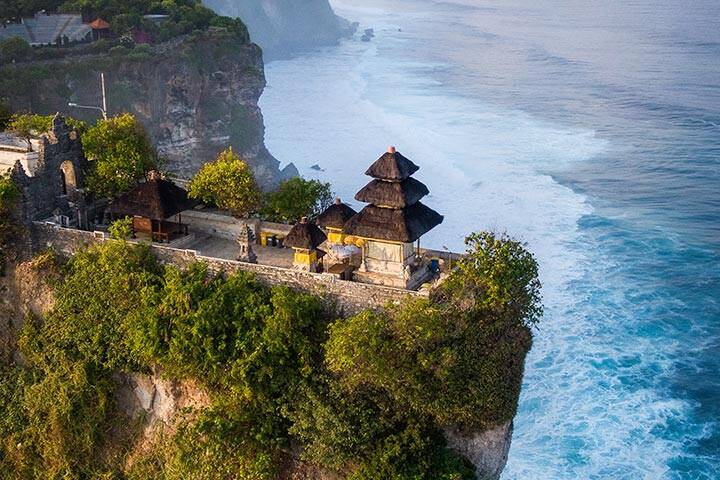
- Uluwatu: Uluwatu, perched on majestic cliffs, offers breathtaking views and a tranquil setting. It’s the best spot in Bali for people looking for solitude, romance, and the thrill of world-class surfing spots.
Some other areas becoming increasingly popular in Bali are Jimbaran, Nusa Dua, Kerobokan and North Bali locations like Lovina Beach and Pemuteran.
Once you’ve found the right area to stay, explore our Bali holiday package deals and start planning your getaway.
-
What is Ubud known for?
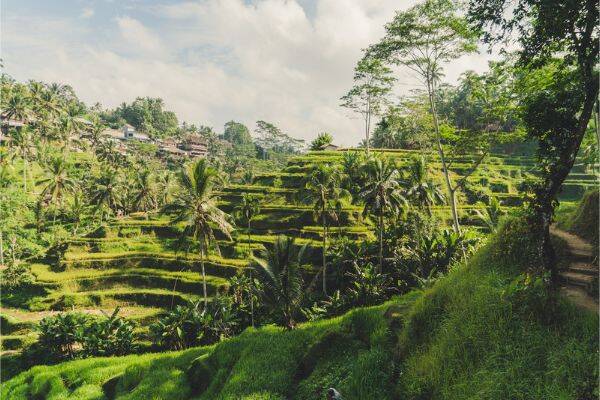
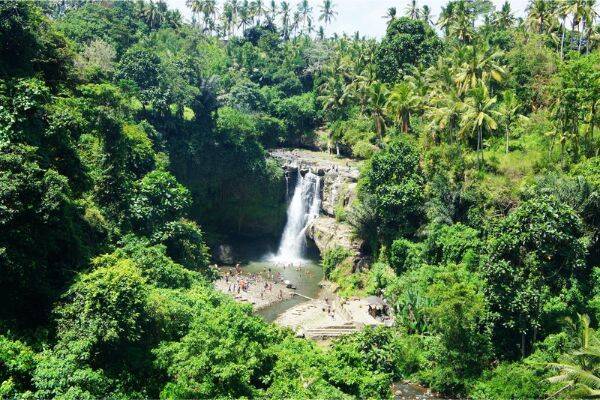
Ubud, set in Bali's highlands, is famous for its stunning natural surroundings, including rice fields and secluded waterfalls, and its emphasis on culture and arts. Ubud offers a different experience from Bali's beach-focused areas, with a focus on Balinese traditions and contemplation. For nature lovers, the Tegallalang Rice Terraces, a short drive from Ubud, are a testament to Bali's ancient agricultural practices, showcasing the traditional Subak irrigation system. Nearby, the Tegenungan Waterfall offers a natural retreat where travellers enjoy the powerful cascade and take a refreshing dip in the pool below.
Ubud is well-known for being the cultural and artistic centre of Bali. Temples such as the Saraswati Temple, celebrated for its iconic lotus pond and traditional architecture, and the ancient Gunung Lebah Temple, located at the confluence of two rivers, is one of the most visited places in Bali. Ubud's artistic scene is equally active, with spots like The Ubud Art Market, which has some of the best textiles and artworks in Bali.
-
Why is Seminyak popular?
Seminyak is extremely popular because it’s one of the most upscale and trendy areas of Bali, offering premiere beaches and beach clubs, luxurious resorts, and world-class dining and nightclubs. The beaches in Seminyak are unparalleled, with Double Six Beach attracting surfers and sun-seekers alike, and Petitenget Beach offering a tranquil setting for sunset views. As the evening approaches, Potato Head is the place to enjoy exquisite cocktails by the infinite pool. Accommodations in Seminyak range from elegant beachfront resorts like the Seminyak Beach Resort and Spa and the Courtyard by Marriott to the more private and luxurious villas of Peppers Seminyak, which are a hit among both families and groups looking for a secluded stay.
Seminyak is popular for its refined and lively nightlife and dining scene, from the vibrant La Favela, which brings a taste of Rio de Janeiro's nightlife, to the elegant Merah Putih, which specialises in sophisticated Indonesian cuisine.
-
What is Canggu known For?
Canggu is known for its laid-back lifestyle, bohemian aesthetic, surf culture and healthy cafes. The Canggu area is dotted with hip cafés and co-working spaces that cater to digital nomads who like to combine work with leisure. The health and wellness scene is particularly pronounced, with a wide array of organic cafes, health-focused restaurants, and outstanding vegan and vegetarian options. Moreover, beach clubs like Finns and La Brisa offer a chance to sunbathe, party and dance. Canggu also has an incredible surf scene, second only to Uluwatu. The area accommodates surfers of all skill levels with quality surf spots like Batu Bolong Beach, as well as numerous surf shops, schools, and surf-centric accommodations.
-
Is Uluwatu worth visiting?
Yes, Uluwatu is absolutely worth visiting as one of the most unique areas in Bali. The main draw of Uluwatu is its stunning cliff-side setting, with many of the accommodations and restaurants here offering spectacular views over the ocean. One of its top attractions is the Uluwatu Temple, which offers awe-inspiring sunset views and iconic Balinese Kecak (fire) dance performances. The Kecak Dance is an unmissable experience, where storytelling, music, and the setting sun combine to make the history of the Balinese people come alive before your eyes.
-
Is Bali good for kids?
Yes, Bali is a fantastic destination for families with children. Bali has a lot of family-oriented attractions, from cultural performances like the Kecak Dance at Uluwatu Temple to the Waterbom Bali waterpark. Many of Bali’s family resorts like the Grand Hyatt and Club Med cater really well to children with their own on-site playgrounds, kids clubs, babysitting services and swimming lagoons. Two of the best areas in Bali for families are Jimbaran and Nusa Dua.
-
Is Bali expensive?
No, travelling to Bali is relatively inexpensive compared to destinations like the USA or European countries. Typically, tourists spend as little as 750,000 IDR (~$75 AUD) per day in Bali. The $75 AUD estimate breaks down to about 250,000 IDR (~$25 AUD) for food, 80,000 IDR (~$8 AUD) for local transportation, and up to 450,000 IDR (~$45 AUD) for accommodation per night. Typically, resorts in Bali range from budget options at 100,000 IDR to 200,000 IDR (~$10 to ~$20 AUD) per night for a dorm or budget room, mid-range accommodations at about 500,000 IDR to 650,000 IDR (~$50 to ~$65 AUD), luxury resorts starting from 3,000,000 IDR (~$300 AUD), and ultra-luxury options exceeding 10,000,000 IDR (~$1,000 AUD) per night.
One option that allows you to roll the costs of your trip into one overall cost is booking an all-inclusive stay that covers accommodation, daily meals and entertainment. Some of the best all-inclusive resorts in Bali include Malia Bali, Club Med and Samabe Bali Suites and Villas. The cost of an all-inclusive package is typically priced per person, and generally falls in the range of 2,500,000-10,000,000 IDR (around $250-$1000 AUD) per person, per night.
-
What are the entry requirements for Bali?
For Australian citizens travelling to Bali in 2025, the 5 main entry requirements are:
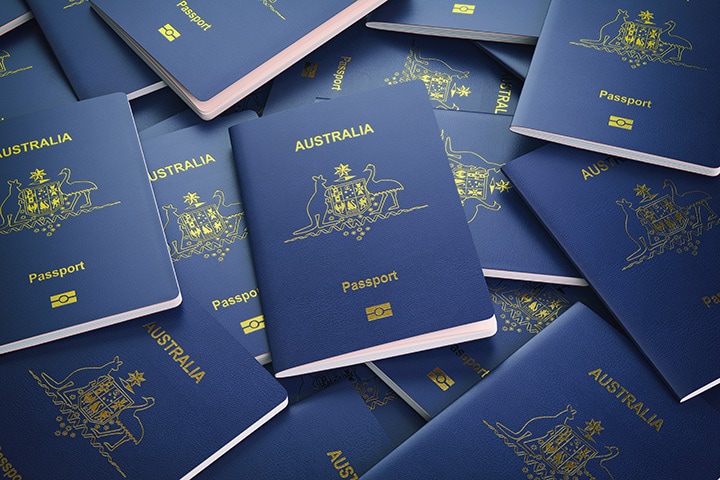
- Valid passport: Your passport must have at least six months’ validity from your date of entry and at least one blank page for immigration stamps.
- Visa on Arrival (VoA) or e-VoA: The Visa on Arrival costs IDR 500,000 (around $50 AUD). It is valid for 30 days and can be extended once for an additional 30 days. Travellers can apply on arrival at the airport or in advance online through Indonesia’s official immigration website.
- Bali Tourism Levy: A new environmental and tourism tax of IDR 150,000 (around $15 AUD) per person applies to all international arrivals. It can be paid online before travel or at designated counters in Bali on arrival.
- All Indonesia Declaration Form: As of 1 September 2025, travellers must complete this form, which replaces the e-Customs Declaration and SATUSEHAT health pass. This can be filled out online 3 days before departure or on arrival.
- Proof of onward travel: Immigration officers may ask to see a return ticket or onward flight within the visa validity period.
For more information on arriving in Bali from Australia, read our guide on Bali’s visa and entry requirements
-
When should I visit Bali?
The best time to visit Bali extends from May through October, which coincides with the dry season. Bali’s dry season is characterised by predominantly sunny and clear days, with occasional showers, ensuring that temperatures remain comfortably between 21°C and 32°C. The dry season is widely considered the best time to visit Bali for outdoor activities like beach-hopping, surfing, and exploring the island’s amazing landscapes. However, it’s worth noting that July and August mark the peak tourist months, attracting larger crowds and higher prices due to the favourable weather conditions. Another good time to visit Bali is during its Low Season, which occurs from October-November to March-April. In Bali, the Low Season is marked by fewer tourists, resulting in generally lower prices for accommodation. The advantages of travelling during Bali's Low Season include fewer crowds and more competitive rates. Additionally, the vibrant greenery of the rice fields and the rainforest atmosphere make this a perfect time for relaxation and retreats. However, the weather during these months tends to be muggier and rainier, which potentially affects outdoor activities and overall travel comfort.
-
What is Bali’s weather like?
Bali has a tropical climate, which means it is warm and humid all year round. Temperatures on the island typically remain between 20°C and 32°C, making Bali a fantastic destination at any time. The weather and climate in Bali hinge on wet and dry seasons. The wet season, spanning from around November to April, brings hot, muggy days with higher humidity and less sunshine. The dry season, lasting from May to October, offers warm, sunny weather with lower humidity, and less frequent rains.
Bali's climate is partly defined by the influence of global weather patterns like the El Niño-Southern Oscillation (ENSO), which affects the timing and intensity of the wet and dry seasons. During El Niño years, Bali tends to experience drier and warmer weather, which often extends the dry season beyond its normal duration. Conversely, La Niña years often bring cooler and wetter conditions, potentially leading to a prolonged wet season.
-
When is Bali's rainy season
Bali's rainy season spans from November to April. The dry months bring with them hot, humid days marked by increased rainfall and reduced hours of sunshine, with temperatures staying within the 22°C to 32°C range. During Bali’s wet season, especially in December and January, the island experiences its highest levels of precipitation. These rain showers tend to be brief and are often followed by sunshine, ensuring a minimum of five hours of sunlight each day.
-
What should I pack for Bali?
When packing for Bali, consider the tropical climate, cultural norms, and your holiday activities. Generally, visitors to Bali should pack travel documents, summer clothes, a swimming costume, toiletries (including any medication), a mobile phone, and a travel adaptor if required. Other items worth considering packing for Bali are a reusable water bottle, a daypack for excursions, sunscreen (which is unusually expensive on the island) and a sturdy pair of hiking shoes. Generally, it's best to pack light for Bali, and you will find that many items are conveniently available for purchase in the main tourist hubs like Ubud and Kuta.
When decided what wardrobe to pack and dressing for Bali, we generally recommend casual, lightweight, and breathable clothing that is compatible with the island’s warm, tropical climate. For daytime outfits, opt for summer clothing like shorts, T-shirts, singlets, and dresses made from materials such as cotton or linen. When visiting temples or sacred sites, dress modestly with items like sarongs to cover shoulders and knees. Finding comfortable footwear like sandals or flip-flops is a big part of choosing what to wear in Bali, so make sure you spend enough time looking for the most comfy footwear. Fipper is a great shop in Bali for finding flip flops at a reasonable price. For evening outings, smart-casual attire is sufficient, with no need for formal wear. For the adventurous traveller, activewear for hiking or other outdoor activities must include moisture-wicking fabrics and sturdy shoes.
-
What power plugs are used in Bali?
The power plugs used in Bali are Type C and Type F. Some international hotels offer Universal sockets as well, but usually the voltage is quite low. When understanding Bali electrical sockets and adaptors, consider that you generally will be able to use the power plugs directly if coming from Europe. Visitors from regions like Australia, America, and Japan typically require an adaptor for their devices.
Type C, also known as the Europlug, features two round pins and is ungrounded, suitable for devices like mobile phone chargers, laptops, and cameras. Type F, or Schuko plug, has two round pins but includes an additional grounding clip, making it safer for higher-power appliances such as hair dryers and electric shavers.
-
Do I need a SIM card for Bali?
Yes, you generally need a SIM Card for Bali if you don’t want to pay for international roaming. Most Bali SIM card providers like Telkomsel and XL Axiata are widely available for purchase across Bali, including at the airport. For convenience, especially when travelling to multiple countries, an e-SIM card is a practical option, though typically more expensive. For travellers who prioritise ease of use and are willing to bear slightly higher costs, using a roaming service from your home provider is also suitable, in which case a Bali SIM card is not needed. For example, Optus offers a $5 per day roaming service.
-
What are the top attractions in Bali?
Bali is an exciting destination to visit particularly because there are just so many beautiful and exciting attractions to discover. From natural attractions like rice terraces, waterfalls and beaches, to cultural attractions like temples, traditional dance performances, and arts and crafts markets - there is no shortage of unique holiday experiences to be had. Five of the best things to do in Bali include Tegallalang (Ceking) Rice Terraces, Mt Batur, Tanah Lot Temple, Tirta Emoul and Besakih Temple. These top Bali attractions are summarised below.
- Tegallalang Rice Terraces: Found in the Ubud region of Bali, the Tegallalang (Ceking) Rice Terraces provide majestic views of lush rice paddies carved into sloped hillsides. This area is ideal for leisurely walks, stopping for a refreshing drink and taking a ride on one of the many large swings.
- Mt Batur: Mount Batur is an active volcano in the Kintamani district. Hiking Mt Batur is one of the most popular activities in Bali, and most visitors choose to take the two-hour hike in the morning to catch panoramic views of the surrounding landscape at sunrise.
- Tanah Lot Temple: One of the most visited landmarks in Indonesia, Tanah Lot temple (Pura Tanah Lot) is an ancient Hindu shrine located on a rock formation surrounded by the ocean. A visit to the temple offers the chance to enter inside at the temple at high tide, as well as explore surrounding markets, watch fire dances and enjoy the beautiful view at sunset.
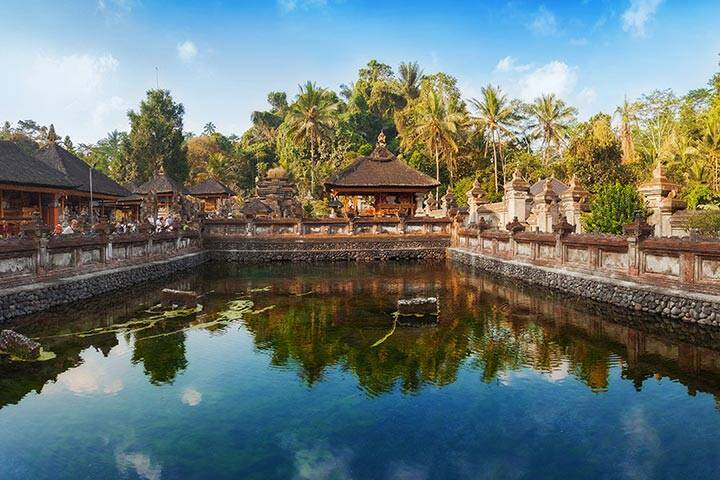
- Tirta Empul: Tirta Empul is a famous water temple in Bali, renowned for its holy spring water. Locals and tourists alike come here to partake in purification rituals - diving under the water spouts under the guidance of local priests.
- Besakih Temple: Known as the "Mother Temple," Besakih Temple is the largest and holiest Hindu temple in Bali. It is located on the slopes of Mount Agung and consists of over 80 individual temples.
-
What are the most unique attractions in Bali?
Beach clubs and rice terraces are two of Bali's most unique attractions. Beach clubs are all-day venues that offer a combination of ocean views and resort amenities like infinity pools, swim-up bars and DJ entertainment.
Typically, Bali beach clubs like Potato Head in Seminyak and La Brisa in Canggu provide guests with comfortable lounging options such as sunbeds and cabanas, access to swimming pools, and direct access to the beach. In Bali, travellers find a range of beach clubs, from laid-back spots to buzzing party scenes.
Meanwhile, the famous rice terraces of Bali, sometimes called a rice field or rice paddy, which are specially designed field used for growing rice, are huge drawcards and tourist attractions for visitors to Bali. The Subak irrigation method is an iconic element of Bali’s rice terraces, and is even heritage listed by UNESCO (United Nations Educational, Scientific and Cultural Organization) for its cultural significance. The rice terraces in Bali are often incredibly picturesque, drawing thousands of tourists daily who come to explore and take in the stunning views. The three best rice terraces in Bali are Tegallalang, located north of Ubud, Jatiluwih, situated on the slopes of the Batakaru mountain, and Sidemen, which is an hour’s drive east of Bali.
-
Is Bali good for surfing?
Yes, Bali is one of the most renowned surfing destinations worldwide. The waves in Bali are appropriate for all skill levels, from beginner surfers looking for gentle waves to professional surfers who come to ride massive swells at competitions like the Rip Curl Cup and the World Surf League. The best time for surfing in Bali is May to October, though some east coat spots are great even during the wet season months of November to April. There are many surf schools, surf camps and surf safaris in Bali, and airlines like Virgin Australia allow you to take surfboards on your flight to Bali under certain conditions (like removing the fins). One thing you won’t need to pack for Bali is a wetsuit, given that the water generally stays at a warm 27-30° Celcius.
-
Can you learn to dive in Bali
Yes, you can easily learn to dive in Bali thanks to the many reputable dive schools and dive centres on the island. These schools typically offer PADI (Professional Association of Diving Instructors) courses and accreditation, covering a range of skill levels and allowing you to master open diving and rescue diving. Some of the best Bali diving spots include Tulamben, Amed, the nearby island of Nusa Penida and Padangbai. For those wanting to explore more hidden dive locations, check out Seraya Secrets and Secret Bay (Gilimanuk).
-
What are Bali’s beaches like?
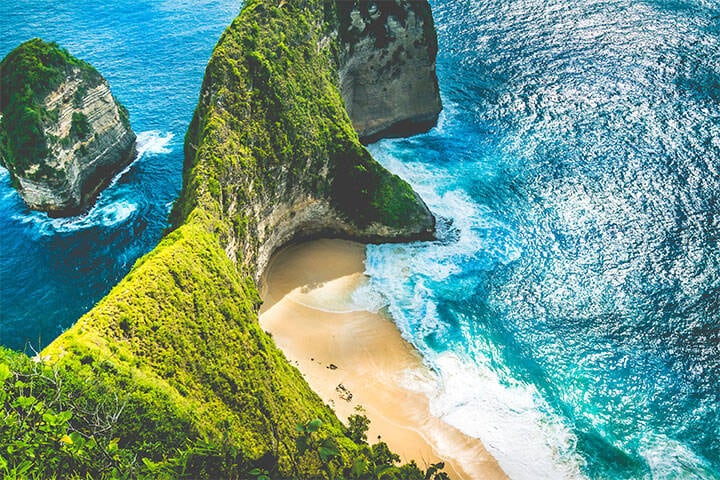
Bali's beaches are renowned for their stunning natural beauty and variety, featuring a mix of sandy shores and rocky coastlines. While some Bali beaches like Batu Bolong are famous for their surf breaks, others like Jimbaran Bay are known for their calm, family-friendly waters. The beaches on the island vary depending on the area and local geography, ranging from stretches of white sandy shores to more unique black sand beaches, derived from volcanic minerals and activities. Apart from the sandy beaches, Bali is also known for its stunning coral reefs, which offer excellent opportunities for snorkelling and diving. Additionally, Bali's beach clubs are world-renowned, offering luxurious amenities and social atmospheres right on the waterfront. These clubs often feature stylish lounging areas, pools, and live entertainment, merging relaxation with exhilarating party vibes. Among the best Bali beaches, Kuta Beach is the best for all-around activities, Padang Padang is the best for experienced surfers, and Nusa Dua is particularly well-suited for families.
-
What is the cost of flights to Bali?
The average flight cost to Bali is currently between $450-$1000 AUD return However, the cost of flights to Bali varies widely depending on several factors, such as the departure city, the time/season of year, and how far in advance the booking is made. Generally, prices are likely to rise significantly in the lead up and during the high season, which is typically June and July. November is usually the best month to book cheap flights to Bali, while July is the most expensive. To get the best flight deals, consider booking your trip during the off-peak season or long before your planned travel dates. Being flexible with your travel dates and times can also help you find the best deals.
It's also a good idea to sign up to V-mail to receive sale alerts, flight specials, partner promotions, and Happy Hour deals. Velocity Frequent Flyer members can also search for any available reward seats for their flights to Bali, using their Velocity Points or Points + Pay to book Bali flights.

Not yet a Velocity Frequent Flyer member?
It's free and fast to join Velocity. Join now, earn Points, Redeem tomorrow.
Membership T&Cs apply.
*Economy Lite: All fares subject to availability. International return fares may vary with the addition of local taxes and charges or due to currency fluctuations. All fares prices are based on a one way Economy Lite fare booked on virginaustralia.com. Seat selection and checked baggage are not included in Economy Lite fares. Economy Lite fares are not recommended if you require flexibility with your travel as cancellations are not permitted and you may need to pay a fee and any fare difference to make a change. For other fare types, a fee and fare difference may be payable for changing or cancelling your booking. See Virgin Australia’s Fees and Surcharges page for more information. Refunds are not permitted for Economy Lite and Choice fares if you cancel your booking. Refunds are permitted for Economy Flex fares on payment of a fee. You may also request a refund for other reasons, including under the Australian Consumer Law. Check your fare rules for more information. Some flights may be operated by a partner airline. Different baggage allowances and conditions may apply to these flights. Full terms and conditions at www.virginaustralia.com
Credit Services Disclaimer
The credit services material on https://www.velocityfrequentflyer.com/frequent-flyer-credit-cards/direct-earn-cards has been prepared by the relevant credit licensees as indicated above and not Velocity Frequent Flyer Pty Ltd (VFF) or Virgin Australia (VA). VFF and VA do not hold an Australian Credit Licence and are not the licensee in relation to the credit activity being engaged in by the relevant credit licensee/credit representative. Individual card benefits vary and are subject to change. Consider if the card is suitable for you before applying.