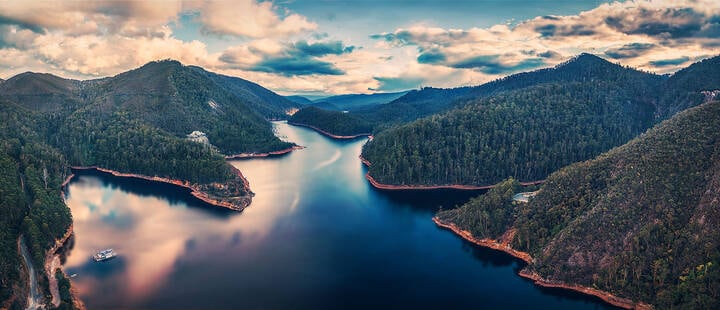

If you haven’t been to Tasmania, you’re truly missing out. Tasmania is Australia’s smallest island state that lies just across the Bass Strait. Despite its size, however, Tasmania is full of captivating beauty and wonders – from incredible white-sand beaches, majestic mountains, bustling city markets, fresh gourmet food, and much more. There’s just something here for everyone.
With so many incredible, breathtaking spots in Tasmania, it can be difficult to plan the perfect trip without the fear of missing out. So, when it comes to finding the best places to visit in Tasmania, getting around, and how much time you should plan to spend here, we have all the answers for you. Read on for more!
1. Hobart
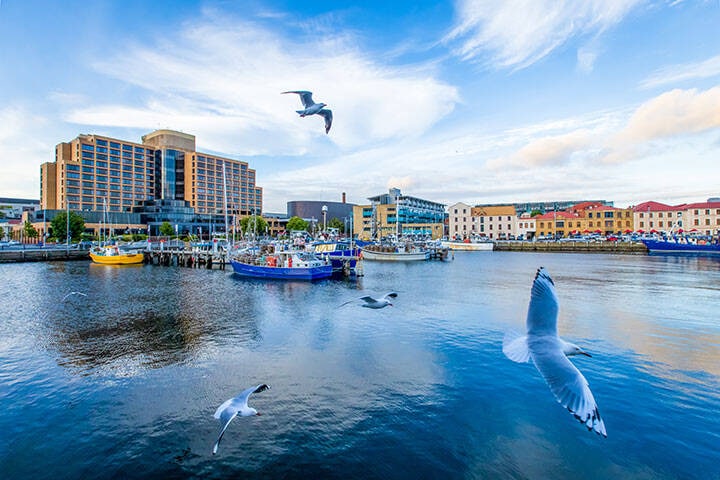
No trip to Tasmania is complete without a stop in Hobart.
Hobart is the capital of Tasmania, located in the southwest region on the estuary of the River Derwent. As one of Australia’s oldest cities, Hobart is a charming and walkable harbour city, famous for its history, colonial architecture, wineries, arts, and culture — all with the picturesque Mount Wellington in the background. And no matter where you stay in Hobart, you have a world of food, culture and history at your fingertips.
Top 5 things to see and do in Hobart, Tasmania
- Visit MONA, the Museum of Old and New Art, one of Tasmania’s most iconic landmarks
- Stroll the Salamanca markets
- Eat like a local at Hobart’s waterfront
- Take in the sunrise or sunset atop Mount Wellington
- Step back in time at historic Battery Point
Getting to Hobart
The easiest way to get to Hobart is to fly into Hobart International Airport, which is located 17 km north-east of the Hobart CBD. Direct flights into Hobart can be booked from all major cities, including Melbourne, Sydney, and Brisbane.
Once you arrive, getting around Hobart is easy, whether by foot, car, ride share or public transport.
2. Port Arthur
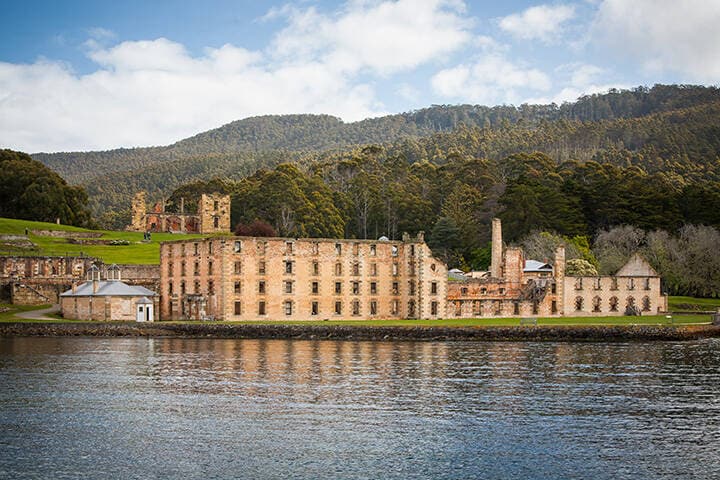
Port Arthur is a village and UNESCO World Heritage site in Southern Tasmania that’s also considered one of the world’s best preserved convict sites. It was once a major settlement established for punishing convicts in the mid-to-late 1800s and is now an open-air museum and one of the most important historical sites in Australia. Today, Port Arthur symbolises Australia's notorious penal history, with plenty to see, do, and learn about. It's an excellent place for a day trip with the family!
Top 5 things to see and do in Port Arthur, Tasmania
- Get a history lesson or ghost tour at the Port Arthur Historic Site
- Indulge your senses at the Port Arthur Lavender Farm
- Marvel at the sight of the Remarkable Cave
- Adventure in Tasmania National Park
- Take a Tasmanian Island Wilderness Cruise
Getting to Port Arthur
Port Arthur is just a 90-minute drive from Hobart. For those without a rental car, shuttles and organised tours that include transportation can be arranged. Taxis and public buses are also available seven days a week to take you to and from Port Arthur.
3. Freycinet National Park
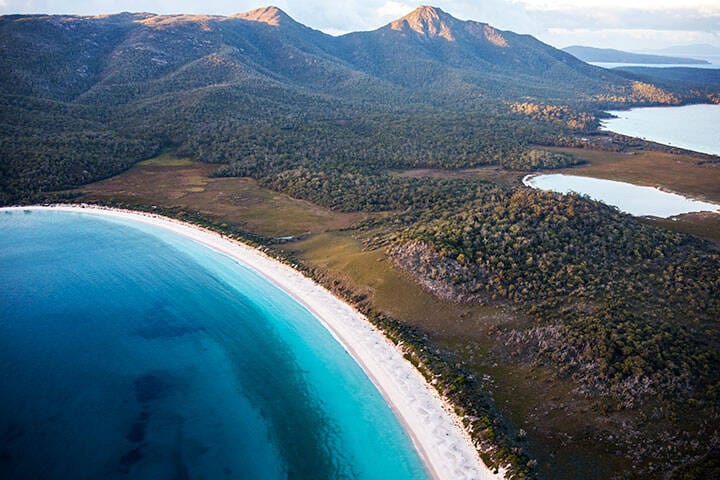
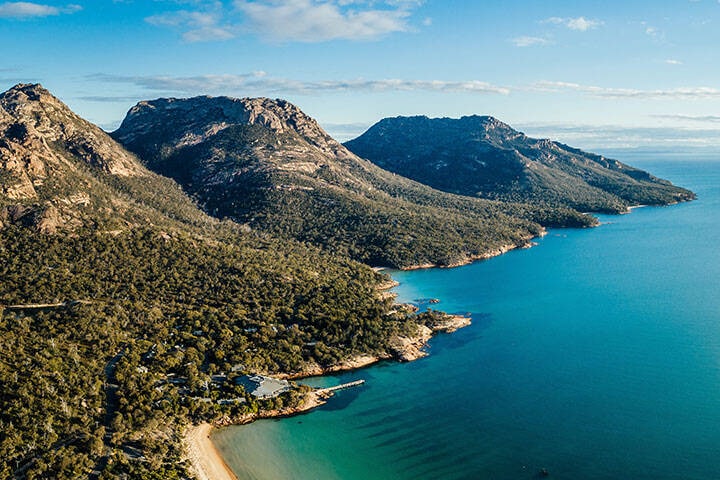
Freycinet National Park is a place of wild beauty on Tasmania's east coast. It's home to towering pink-hued mountains, clear blue waters, and dense coastal forests. Freycinet National Park is also one of Tasmania's oldest nature reserves, and it's best known for the iconic red and pink granite formations and white sand beaches of Wineglass Bay.
Top 5 things to see and do in Freycinet National Park, Tasmania
- Hike to Wineglass Bay, considered one the prettiest places in Tasmania and among the top 10 beaches in the world!
- Enjoy unspoiled white sand beaches at Friendly Beaches
- Snorkel and take in the views at Honeymoon Bay
- Enjoy fresh, local oysters and mussels at Freycinet Marine Farm
- Pitch a tent and camp out along the dunes of Richardsons Beach
Getting to Freycinet National Park
Freycinet National Park is approximately two and a half hours by car from either Hobart or Launceston. If you don’t plan on renting a car, public buses are also available from either city location. Just make sure you have a valid park pass to enter the park.
4. Bruny Island
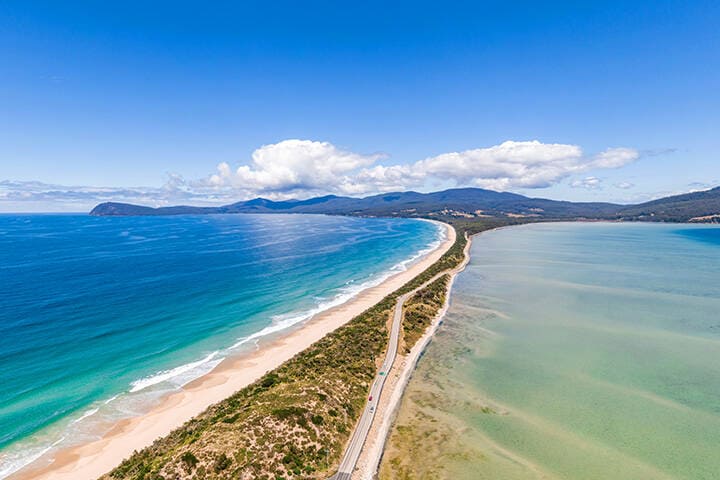
Bruny Island, located off the southeast coast of Hobart, is an Australian island gem and absolute must-visit spot for food lovers as it’s famous for its fantastic produce, fresh seafood, artisan cheeses, honey, and chocolate confections. Beyond its thriving food and wine scene, its natural beauty is captivating, with its landscape covered in fragrant eucalyptus forests and plenty of rocky coastlines.
Top 5 things to see and do in Bruny Island, Tasmania
- Take in the panoramic views and spot penguins from The Neck
- Dine on fresh oysters at the Get Shucked Oyster Bar
- Get your hands on sustainable local cheeses at the Bruny Island Cheese Company
- Tour the Cape Bruny Lighthouse
- Go whale spotting at South Bruny National Park
Getting to Bruny Island
To get to Bruny Island, you have to take the SeaLink Bruny Island Ferry from Kettering. Kettering is a half-hour drive from Hobart, and the ferry ride to Bruny Island takes approximately 20 minutes. The ferry also leaves every 20 minutes, so there's no need to time your departure perfectly!
5. Launceston
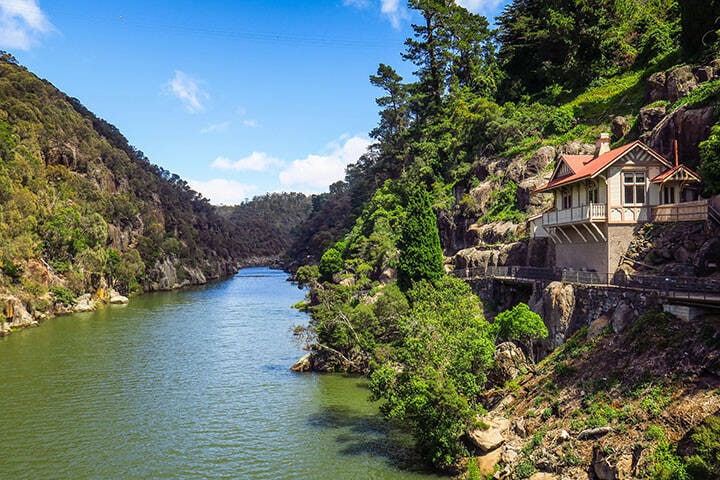
Launceston is a laid-back riverside city situated in Northern Tasmania known for its historic heritage sites and architecture, secluded beaches, agricultural roots, incredible food and wine scene, and much more. It's also a very walkable city, making exploring much more fun, and is known as being the region culture capital.
Top 5 things to see and do in Launceston, Tasmania
- Enjoy the beauty of the bushland and cliffs of Cataract Gorge on a river cruise
- Take the Low Head Penguin Colony Tour
- Visit the Queen Victoria Museum and Art Gallery (admission is free!)
- Indulge on a Tamar Valley food and wine tour
- Explore the green spaces at City Park
Getting to Launceston
The easiest way to get to Launceston is to fly to Launceston Airport, which is typically a 15-minute drive to the CBD. Direct flights to Launceston from Melbourne, Sydney, and Brisbane to Launceston leave daily. For those who prefer to take a more scenic route, the Spirit of Tasmania ferry departs from Geelong, Victoria to arrive in Devonport, Tasmania within 9-11 hours. From Devonport, Launceston is typically a 90-minute drive.
6. Cradle Mountain-Lake St Clair National Park
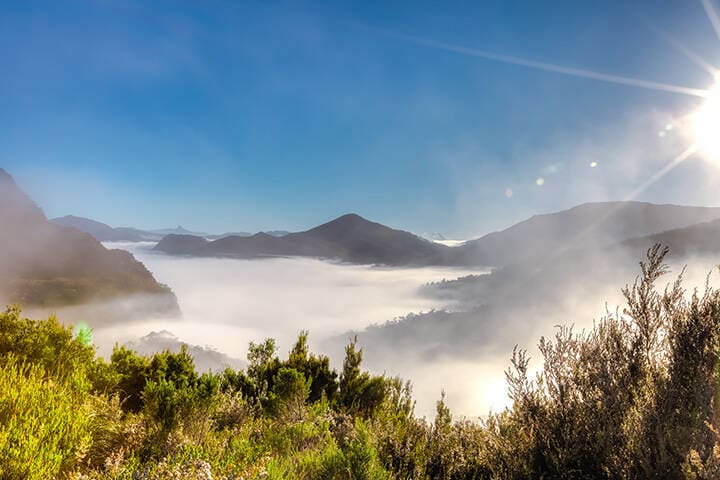
Cradle Mountain-Lake St Clair National Park in northern Tasmania is a UNESCO World-Heritage listed park known for its breathtaking beauty, untouched wilderness and diverse wildlife. The park is famous for its gorgeous, protected rainforests, rugged peaks (including the famous Cradle Mountain), and alpine heathland. Here, you'll find some of the most majestic views and abundant wildlife.
Top 5 things to see and do in Cradle Mountain-Lake St Clair National Park, Tasmania
- Walk the Dove Lake Circuit for stunning views of Cradle Mountain
- Feed the Tasmanian Devils at the Tasmanian Conservation Sanctuary
- Join a tour to hike to the top of Cradle Mountain
- Relax in wilderness at Weildham Alpine Spa
- Take a canyon tour
Getting to Cradle Mountain-Lake St Clair National Park
The best way to get to Cradle Mountain-Lake St Clair National Park is by car. The park has two main entrances: A northern entrance and a southern entrance. The northern entrance is approximately two and a half hours from Launceston, and the southern entrance is two and a half hours from Hobart.
7. Strahan
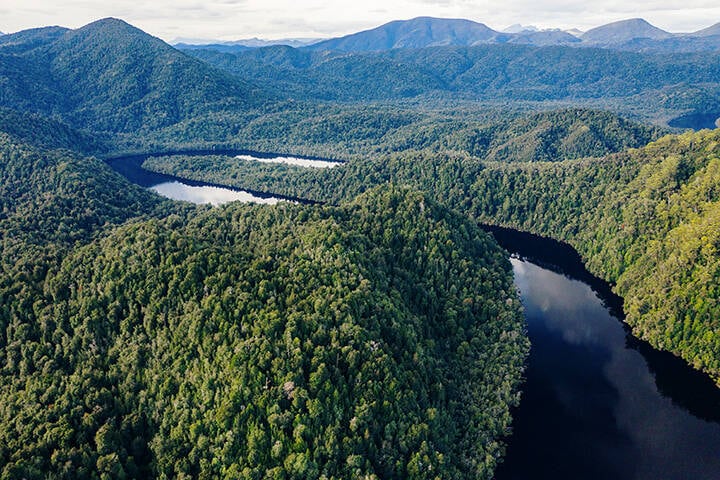
trahan (pronounced Strawn) is a small town and beautiful former port on Tasmania's west coast. Strahan serves as a base for most people visiting the Sarah Island penal settlement, as it is located on the tip of Macquarie Harbour. However, it's a fascinating place that feels genuinely remote while being close to great attractions, including a protected World Heritage Area comprising several national parks and reserves.
Top 5 things to see and do in Strahan, Tasmania
- Hop on a World Heritage Cruise and see the Gordon River up close and personal
- Jump on board the West Coast Wilderness Railway for a heritage train ride into the rainforest
- Visit the breathtaking Hogarth Falls
- Take an epic road trip down 99-bends road to Queenstown
- Challenge yourself with white water rafting on the King River
Getting to Strahan
Strahan is a four-and-a-half-hour drive from Hobart (without breaks) and a three-and-a-half-hour drive from Launceston. There are also public buses that leave from both cities to Strahan. However, they typically involve layover stops, so the journey will often take longer.
8. Coles Bay
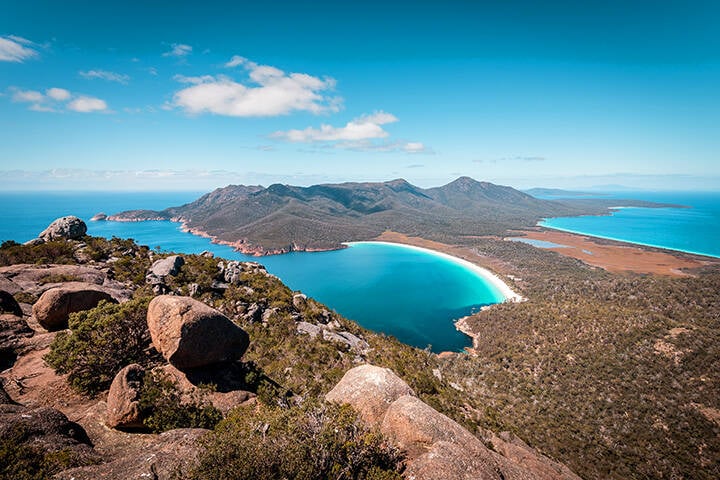
Coles Bay is a small coastal town that borders Freycinet National Park and is famous for its breathtaking beauty, diverse wildlife and endless opportunities for outdoor activities. It has a unique beauty as it sits below the pink granite peaks of the Hazards range and overlooks the cloudless Great Oyster Bay. Coles Bay is also home to stretches of the pristine beaches of the Hazards that are inaccessible from elsewhere.
Top 5 things to see and do in Coles Bay, Tasmania
- Try on a pair of waders and harvest your own oysters on an Oyster Bay Tour
- Explore the red-necked wallabies and other wildlife in secluded Honeymoon Bay
- Dine with a majestic view of the Hazards at Geographe Restuarant and Espresso Bar
- Rent a kayak or SUP board and get to hard-to-reach beaches
- Charter a fishing boat and come back with the catch of the day
Getting to Coles Bay
Coles Bay is a two-to-three-hour drive from Hobart and a two-and-a-half-hour drive from Launceston. The Tassielink Transit also offers bus routes to and from Hobart and Launceston to Coles Bay.
9. Maria Island
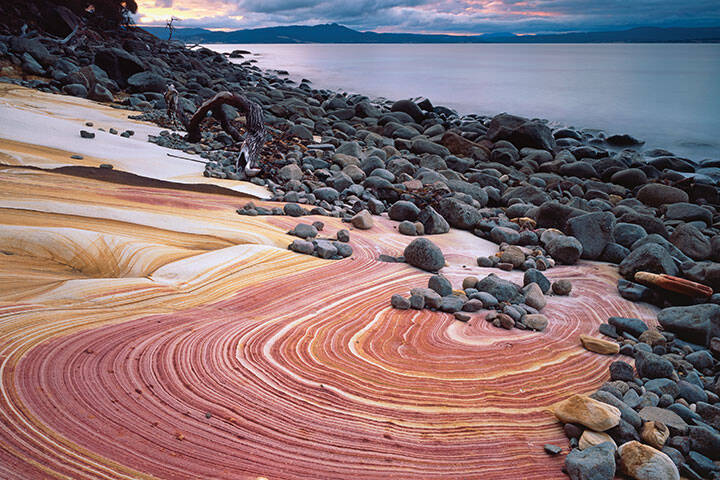
Maria Island, also called Wukaluwikiwayna, is a mountainous island and national park with something for everyone. Located off the east coast of Tasmania, Maria Island is home to diverse wildlife, turquoise waters, rugged mountains and cliffs, incredible hiking trails, and even historical convict sites.
Top 5 things to see and do in Maria Island, Tasmania
- Visit the Darlington Convict Probation Station
- Hike the sandstone rock formations of the Painted Cliffs
- Bike to Encampment Cove Camp
- Search for Tasmanian Devils and Wombats
- Go snorkeling in the sheltered waters of Darlington Bay and the Painted Cliffs to view thriving marine life
Getting to Maria Island
Getting to Maria Island requires a 30-minute passenger ferry ride from the small town of Triabunna, which is located approximately one-and-a-half-hours from Hobart and two-and-a-half-hours from Launceston.
No cars are allowed on Maria Island as it's a protected national park, so be prepared to get around on foot or by bike. A park pass is also required to enter.
10. Bay of Fires
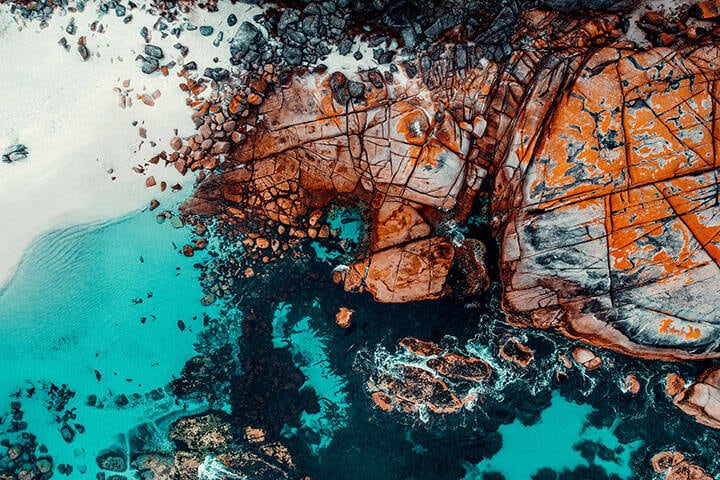
The Bay of Fires is one of the prettiest places in Tasmania and known all over the world for its orange lichen-covered granite boulders, clear blue waters, and snow-white sandy beaches. Situated on the northeastern coast of Tasmania, the Bay of Fires is home to extraordinary reefs and is considered Tasmania at its wildest. It's also a haven for seafood lovers and camping enthusiasts, and its northeastern section of Mount William National Park is not to be missed!
Top 5 things to see and do in Bay of Fires, Tasmania
- Admire the dramatic rock formations at The Gardens
- Climb Mount William for extraordinary 360-degree views of the island
- Try glamping for a few days at the Bay of Fires Bush Retreat
- Take the guided Wukalina Walk
- Go for a swim, catch some waves or hop on a boat or 4WD tour in Binalong Bay
Getting to the Bay of Fires
Getting to Bay of Fires is a two-and-a-half-hour drive from Launceston Airport and an almost-four-hour drive from Hobart. Tour shuttles are available as are public buses from both Hobart and Launceston to the Bay of Fires. Travel times via public transport will vary based on route, stops, and layovers.
11. Tamar Valley
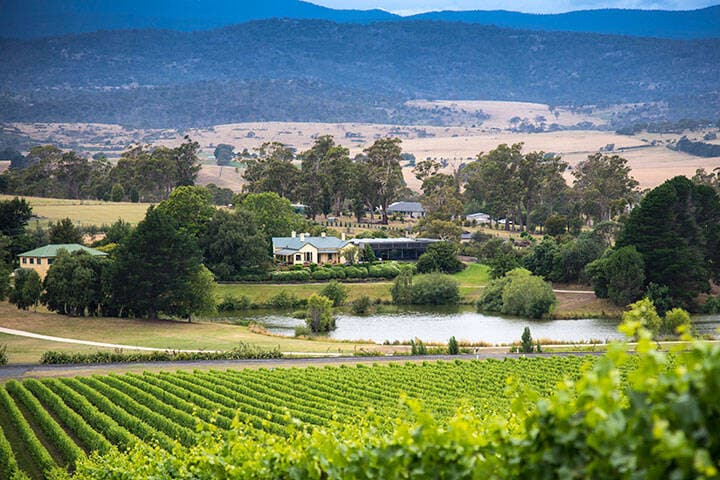
Tamar Valley is situated northwest of the city of Launceston and runs along the Tamar River. The valley is known as Tasmania's largest wine region, and it's the only place in the world where visitors can visit a nudist beach and see the world's longest jumping pillow. Between the eco-friendly wines, pristine beaches, vibrant art scene, bushwalks, and incredible food, Tamar Valley is one of the best places to visit in Tasmania!
Top 5 things to see and do in Tamar Valley, Tasmania
- Visit cellar doors for wine tasting on the Tamar Valley Wine Trail
- Take a tour of the George Town Watch House
- Get to know the Low Head Penguins with a Low Head Penguin Tour
- Take a half day’s trip to explore the stunning lavender farm at the Bridestowe Lavender Estate
- Check out the art studios and galleries dotted across the Tamar Valley – make sure to chat with friendly vendors
Getting to Tamar Valley
Getting to Tamar Valley is easiest by car. From Launceston, it's a 40-minute drive. From Devonport, Tamar Valley is a 45-minute drive, and from Hobart, it's a two-and-a-half-hour drive. For those who don’t have car, it’s easy to book an organised wine tour that takes you to a variety of wineries in the area.
12. Mount Field National Park
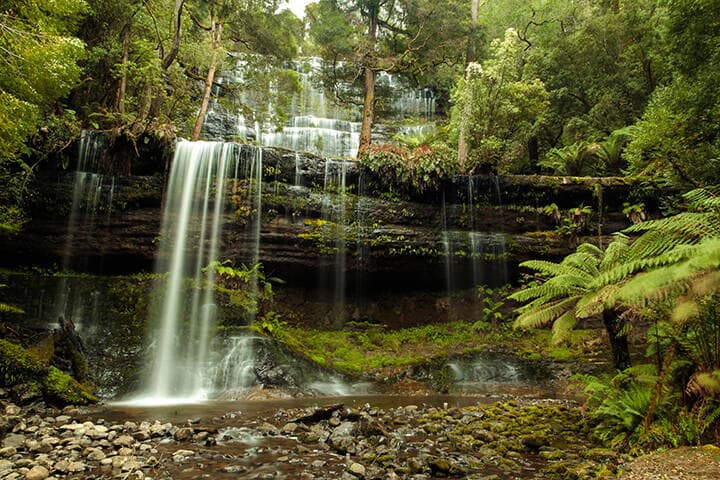
Mount Field National Park is one of Tasmania's oldest and most diverse national parks, just northwest of Hobart. The landscape of Mount Field ranges from temperate eucalyptus rainforests to snowy alpine peaks, but one of the highlights has to be the waterfall circuit, which can be walked on a six-kilometre loop. It also offers some fantastic campgrounds and visitors from all over the world come to marvel at its incredible glacial lakes.
Top 5 things to see and do in Mount Field National Park, Tasmania
- Visit its many cascades, including Russell Falls, Horseshoe Falls, and Lady Barron Falls
- Go on the Tall Trees Walk
- Explore Lake Dobson
- Watch the abundant wildlife (including the glow worms on the edges of Russel Falls at night)
- BBQ and picnic on the campgrounds along the Tyenna River
Getting to Mount Field National Park
Getting to Mount Field National Park is a one-and-a-half-hour drive from Hobart and a three-hour drive from Launceston. A park pass is also required to enter the grounds.
13. Bicheno
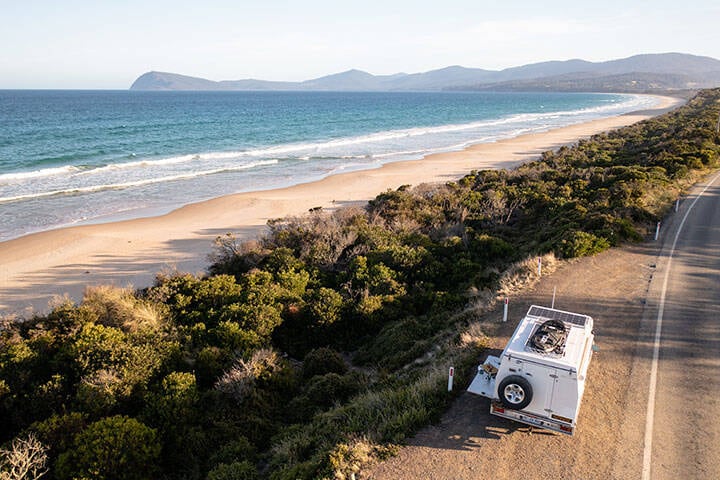
Bicheno is a beautiful and quiet seaside town on the east coast of Tasmania, nestled between Douglas-Apsley National Park and Freycinet National Park. Bicheno is best known for its resident penguins, breathtaking beaches, and stunning forests that seem to flow into the coastline. Bicheno is also teeming with vibrant marine life and is a must-visit destination for lovers of watersports and families looking for a relaxed holiday destination.
Top 5 things to see and do in Bicheno, Tasmania
- Marvel at the Bicheno Blow Hole
- Watch the Fairy Penguins at dusk
- Encounter the native wildlife at East Coast Nature World
- Go scuba diving at Governor Island Marine Reserve
- Take a glass-bottom boat tour
Getting to Bicheno
From Hobart, getting to Bicheno takes approximately two hours by car and between three and six hours by bus. From Launceston, getting to Bicheno also takes approximately two hours by car and four hours by bus.
14. Devonport
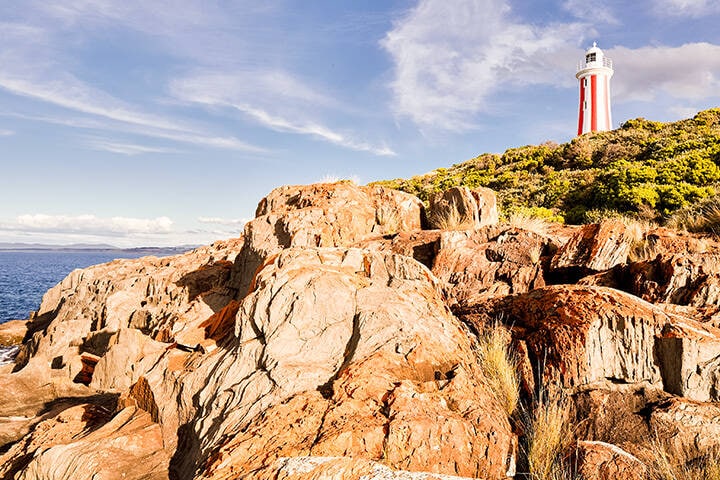
Devonport is a bustling riverside city on Tasmania's north coast. It's notably located where the Mersey River meets the Bass Strait, and it's known for its maritime history of shipwrecks, early explorers, and steamers. While Devonport is typically considered a "jumping off" point to get to some of Tasmania's more popular destinations, like Cradle Mountain, the city has a lot to offer to its visitors. As the north coast's largest port, Devonport is a place to linger before moving on.
Top 5 things to see and do in Devonport, Tasmania
- Visit the Bass Strait Maritime Museum for a look into Devonport's shipwreck history and more
- Head up to the Mersey Bluff Lighthouse for incredible views
- Check out the Lillico Beach penguin colonies (the experience is free, but donations are appreciated!)
- Recharge at the Tasmanian Arboretum, a 66-hectare botanical tree park
- Indulge in chocolate and cheese at the House of Anvers Chocolate Factory
Getting to Devonport
Devonport is accessible by car, bus, and ferry. Getting to Devonport from Hobart is a three-hour drive by car and a one-hour car drive from Launceston. Those who aren’t travelling around by car can also organise a shuttle, book a tour, or travel by public bus.
The Spirit of Tasmania Ferry offers transportation from Geelong to Devonport six times per week. The duration of the ferry crossing typically takes between nine and 11 hours.
15. King Island
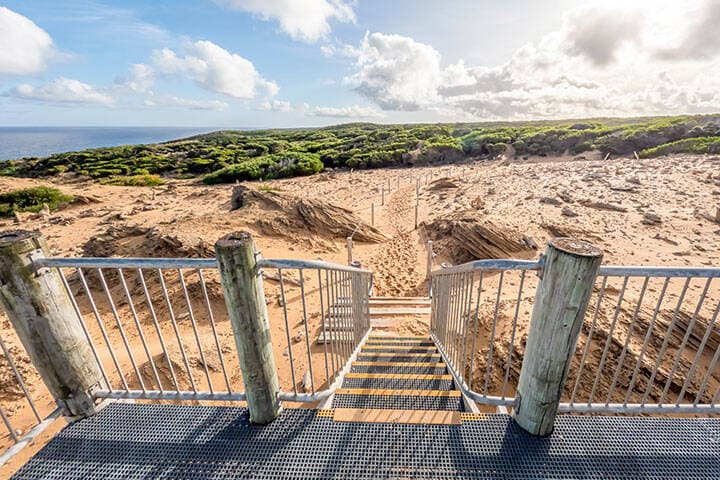
King Island is located on the Bass Strait, and it's known for its world-class cheese, fresh seafood, gold, and remarkably clean air. King Island is also well-known for its golf courses and amazing surf beaches that offer breaks to cater to all classes of surfers. It's also a great place for spotting wallabies, as there are at least 400,000 on the island!
Top 5 things to see and do in King Island, Tasmania
- Take in the view from the Cape Wickham Lighthouse, Australia’s tallest lighthouse
- Find your break at one of the many Kind Island surf spots
- Visit the King Island Historical Museum
- Enjoy farm-fresh beef, artisan cheese, local gin, craft beers, and crayfish pies
- Discover the 7,000-year-old remains of ancient tree stumps and forest remnants at the Calcified Forest
Getting to King Island
Getting to King Island requires air travel. Scenic flights are available from Burnie , Hobart, Launceston, and Melbourne. Flight times range from 55 minutes to two hours, depending on where you're coming from.
It’s also important to note that King's Island does not have public transport. Visitors usually rent a car or hire a car service to get around. There is also a ferry service to transport personal vehicles to the island, but this is not recommended for short visits as it can take anywhere from four days to two weeks!
16. Huon Valley
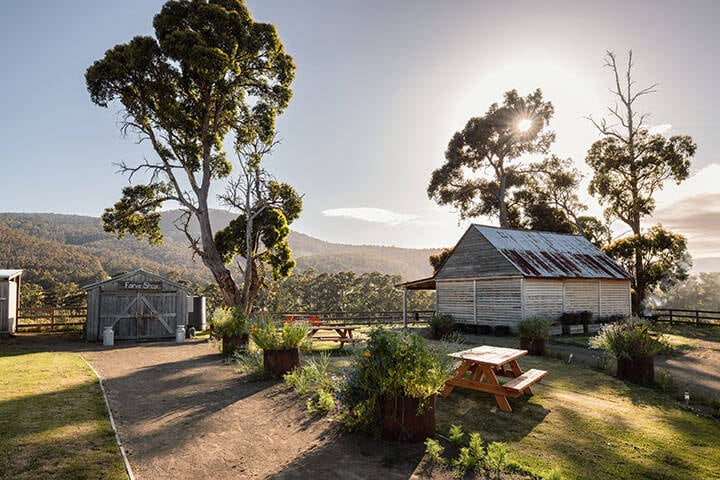
Huon Valley, also known as the Huon, is an incredible geographical area just south of Hobart that’s often overlooked for the national parks further east. But a visit is well worth your time! Huon Valley has a long history of apple growing and now boasts craft ciders, boutique wines, fresh wild salmon, and other unique produce. Huon Valley is also notable for its lush greenery and rolling hills, thermal springs, and beautiful blue waters. Overall, Huon Valley is one of the best places to visit in Tasmania for families with younger children.
Top 5 things to see and do in Huon Valley, Tasmania
- Go kayaking around the Huon River
- Try the cider at Willie Smith's Apple Shed and Apple Museum
- Go apple and cherry-picking at one of the many organic orchards
- Visit the Coal Mines Historic Site
- Hike the Hartz Mountains
Getting to Huon Valley
Huonville in the Huon Valley is a 30 to 40-minute drive from southwest Hobart and a three-and-a-half-hour drive from Launceston. Public buses are also available from both cities.
17. Tasman National Park
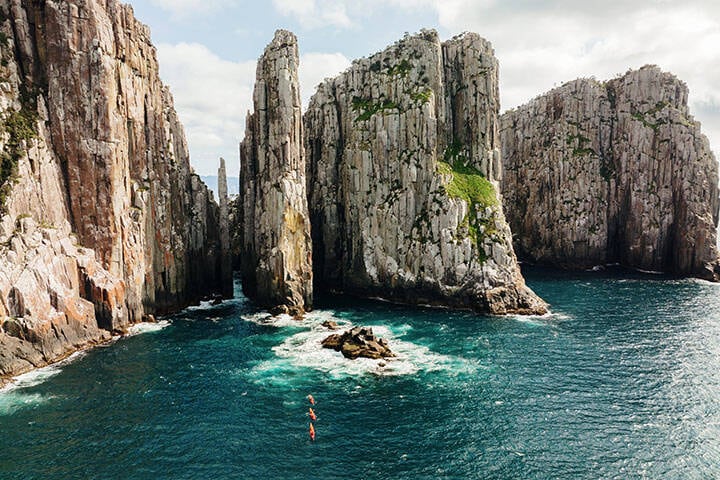
The Tasman National Park sits on the rugged coastline of the Turrakana/Tasman Peninsula that's connected by a thin, sandy neck of land south of Hobart. There are an endless number of things to do here, including kayaking the crystal-clear bays against the backdrop of the dolerite cliffs of Cape Huay, canyoning adventures, and sailing — plus, the park is a hiker’s absolute dream with so many stunning tracks to choose from (especially the Three Capes Track!)
What makes Tasman National Park so special (and one of the best places to visit in Tasmania) is its soaring 300m-high cliffs that are met with roaring waves and its incredible wildlife. The national park is home to dolphins, seals, penguins, whales, and the endangered Swift Parrot, Wedge-tailed Eagles, and Tasmanian Sea Eagle. Visitors from all over flock to the Tasman National Park for its stunning geography and world-class sites.
Top 5 things to see and do in Tasman National Park, Tasmania
- Go hang gliding over Pirates Pay for a jaw-dropping view of the peninsula at Cape Raoul
- Hike one of the many walking tracks
- Visit The Blowhole to see pressurised water shoot toward the sky
- Scope out the diverse wildlife, from the Blue Penguins to the migrating whales
- Descend into Devil Kitchen for an extraordinary view of the Tasman Arch, one of the park’s geological wonders.
Getting to Tasman National Park
Getting to Tasman National Park takes approximately one-and-a-half-hours from Hobart, and between three and four hours from Launceston. Entrance to Tasman National Park also requires a valid park pass.
18. Burnie
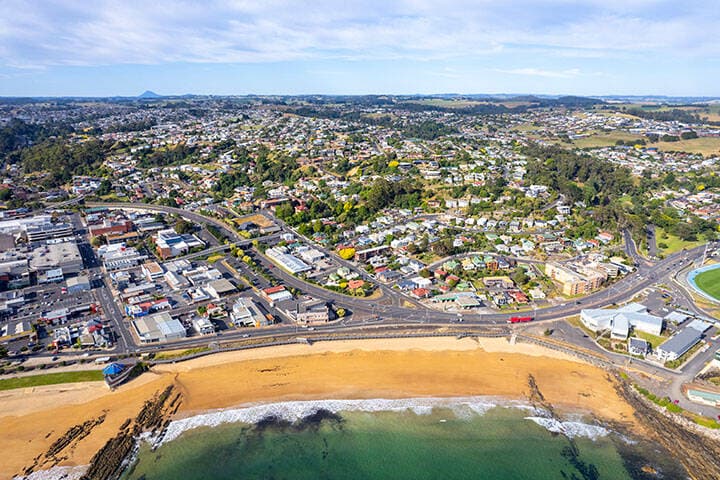
Burnie is a beautiful port city located on Emu Bay on Tasmania’s northwest coast, and despite being an industrial port, it’s also home to lush farmlands, trees and gardens. While most people make a pit stop in Burnie for its history and scenery, the fresh seafood and shopping make the city worth staying a while. Its incredible limestone caves, stunning waterfront, and artisan treasures make it an off-the-beaten track destination for those looking for some adventure and exploration.
Top 5 things to see and do in Burnie, Tasmania
- Visit the Burnie Regional Museum (open to the public on Wednesdays, Thursdays, and Fridays. Entry is free!)
- Enjoy a whiskey tasting at the Hellyers Road Distillery
- Stroll the Emu Valley Rhododendron Garden
- Take a walk through the Fern Glade Platypus Reserve
- Explore the diverse coastline on an official site-seeing tour
Getting to Burnie
Getting to Burnie is easy by car, bus, and even ferry. Burnie is a four-hour drive from Hobart, and a three-and-a-half-hour drive from Launceston. .
The Spirit of Tasmania Ferry sails daily between Geelong and Devonport. From Devonport, Burnie is 40 minutes by car and 50 minutes by bus.
19. Flinders Island
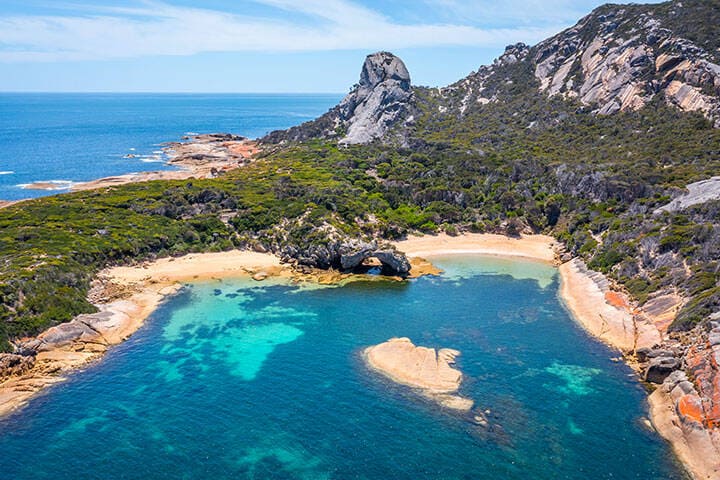
Flinders Island is a stunning remote island in the Bass Strait just northeast of Tasmania's mainland. Flinders Island is a truly exceptional natural attraction as it combines incredibly diverse scenery with Australia's rich indigenous history. Simply looking out from the Strzelecki peaks will make you feel as if you're on the edge of the world. The island itself is exceptionally rugged and full of spectacular beaches and coastline. Flinders Island is one of the best places to visit in Tasmania — if not the best!
Top 5 things to see and do in Flinders Island, Tasmania
- Climb to the Strzelecki Peaks at Stezelecki National Park for a breathtaking view
- Stroll along Killiecrankie Bay for views of the pristine water and topaz, locally known as Killicrankie diamonds
- Visit the Furneaux Museum at Emita
- Unwind socialise and watch the sunset at The Flinders Wharf
- Picnic and swim beneath the limestone arch at Stacky's Bright
Getting to Flinders Island
Getting to Flinders Island requires a flight from either Hobart (one hour), Launceston (35 minutes), or Melbourne (one hour). Groups can also charter an aircraft to get there. There is no public transport on the island, so it's recommended to hire or rent a car for your stay.
It’s also an option to hop on the weekly barge with Bass Strait Freight from Bridport, which takes approximately seven hours to arrive at Flinders Island.
20. Hartz Mountains National Park
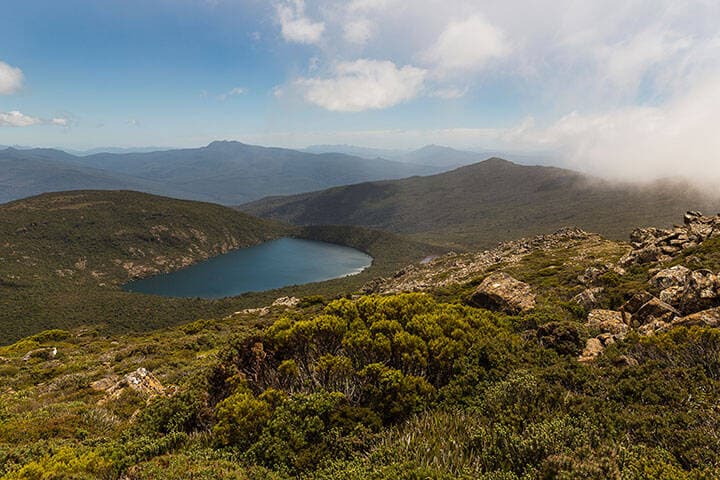
Hartz Mountains National Park, located within the Huon Valley in southern Tasmania, is known for its twin peaks shaped by ancient glaciers, rich landscapes, beautiful views and excellent diversity in wildlife and nature. In 1989, the park was named a World Heritage Area as it became recognised for its natural and cultural values. Most people come here to hike, as the national park offers a wide range of trails ranging from beginner to expert.
Top 5 things to see and do in Hartz Mountains National Park, Tasmania
- Spend some time at the accessible glacial lakes, Lake Esperance and Lake Osborne
- Hike Hartz Peak for some incredible views of southern Tasmania
- Marvel at Arve Falls from a viewing platform
- Visit the Waratah Lookout for a view of the waratah trees among the Huon Valley Forest
- Make your way uphill to the Hartz Plateau for a view of the picturesque Hartz Lake
Getting to Hartz Mountains National Park
Getting to Hartz Mountains National Park by car takes one and a half hours from Hobart and four hours from Launceston.
For those looking to spend more than a day in the Hartz Mountains National Park, there are no campgrounds within the park. The closest lodgings are located in Galveston, which is a 26-minute drive from the park's entrance. Valid park passes are also required to enter the grounds.
Getting around Tasmania
Getting around Tasmania is relatively easy as most regions are car friendly. Visitors coming from mainland Australia typically fly into Hobart or Launceston or take the ferry to Geelong. The ferry offers the option to bring along a vehicle, motorcycle, or caravan, which makes it an appealing option for those planning to take a road trip around the state. Many visitors choose to rent a car, organise shuttles, book tours, or take public transport where available to travel around.
For more information on Tasmania's public transport and bus services, visit Tassie Link Transit.
How long to spend in Tasmania
How many days do you need to visit Tasmania? The duration of your stay in Tasmania will depend entirely on where you plan to go and what you plan to do. The ideal amount of time to spend in Tasmania is seven to 14 days. One week will allow you to fully enjoy three to five points of interest, whereas two weeks will allow you to enjoy most of the island. Many visitors travel across the island state, which requires an average of 15 days, but it’s very easy to spend a weekend or long weekend in Tasmania in just one destination, such as Hobart or Launceston.
Tasmania is small but mighty, as it's home to some of the most captivating natural beauty on the planet. It also has incredible cultural experiences to offer everyone, and that's in addition to an amazing food scene, unique wildlife, and so much more. Whether you spend three days or three weeks, you’re bound to have the experience of a lifetime.